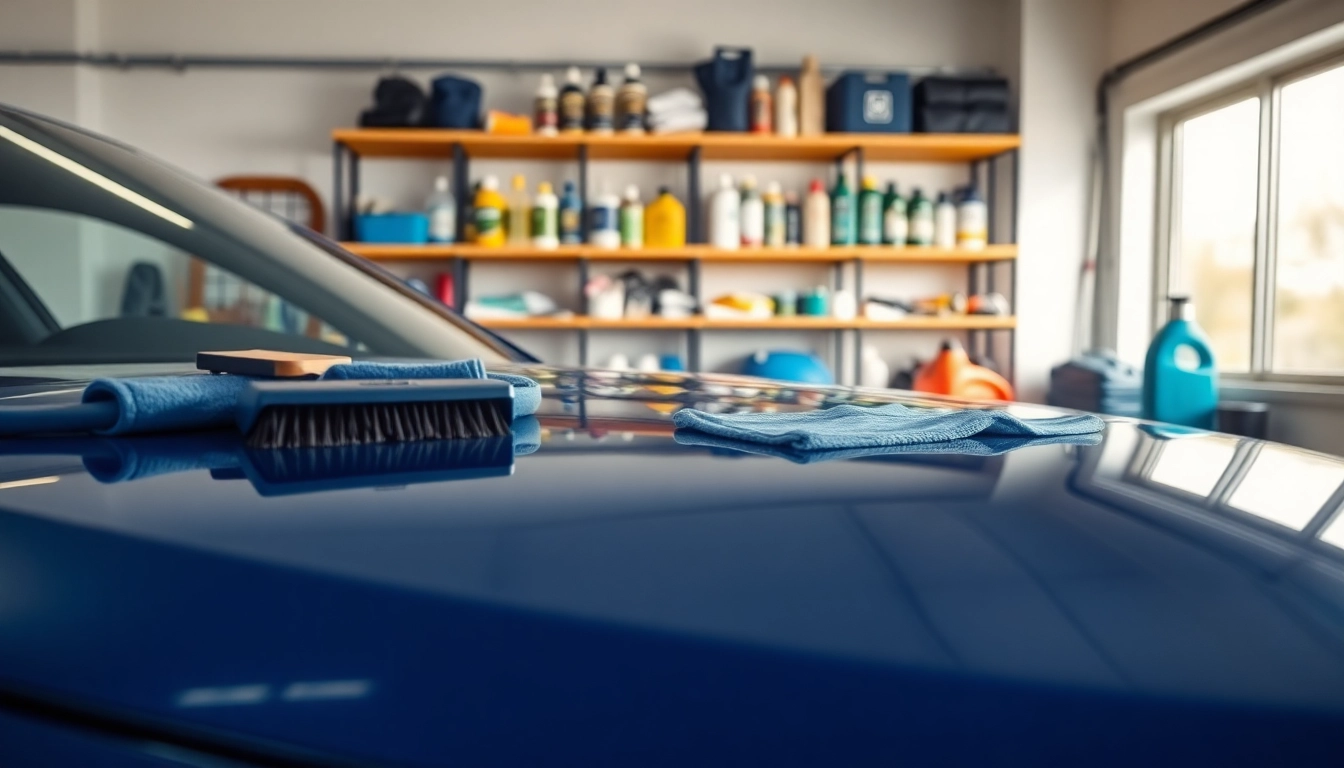
Understanding the Importance of a Car Detailing Routine Step by Step
Car detailing is more than just a regular wash. It's a meticulous process that involves thoroughly cleaning, restoring, and protecting every part of your car, both inside and out. A well-executed car detailing routine step by step can enhance the overall aesthetics, increase longevity, and often add significant value to your vehicle. However, understanding the nuances of detailing can be overwhelming for both newcomers and seasoned enthusiasts.
The Benefits of Regular Detailing
Regular detailing offers numerous advantages. Firstly, it helps maintain the vehicle's exterior and interior quality, thereby preserving its aesthetic appeal. Secondly, it prevents wear and tear caused by environmental contaminants such as dirt, bird droppings, tree sap, and UV rays. Lastly, consistent detailing can significantly enhance resale value, making it a worthy investment for any vehicle owner.
Choosing the Right Products for Your Vehicle
Selecting the appropriate car detailing products is crucial. The market is flooded with various waxes, polishes, and cleaners, each designed for different surfaces and materials. Organic and biodegradable products are increasingly popular for their eco-friendliness. Always refer to your vehicle's manual for specific recommendations on cleaning materials appropriate for leather, plastic, paint, and glass.
How a Routine Enhances Resale Value
An immaculate car often fetches a higher price on the resale market. Potential buyers are more inclined to purchase a vehicle that looks well-maintained, inside and out. Regular detailing not only keeps your car looking newer but also serves as evidence of good care. Keeping service records of all detailing work can further solidify its value.
Preparing for Your Car Detailing Routine Step by Step
Gathering Necessary Tools and Supplies
Preparation is half the battle when it comes to car detailing. Essential tools include:
- Microfiber towels for drying and polishing
- Detail brushes for intricate areas
- Vacuum cleaner for interior dirt
- Foam cannon and pressure washer for exterior washing
- Clay bars for paint surface contamination removal
- Various cleaning agents (glass cleaners, leather conditioners, tire cleaners)
Choosing the Right Location
Select a shaded area or a garage to avoid direct sunlight while detailing. Sunlight can cause products to dry too quickly, leading to streaks or an incomplete cleaning. Ensure that the location is free from dust, dirt, and any potential threats to your vehicle's clean surfaces.
Understanding Safety Precautions
Always wear gloves, safety goggles, and a respiratory mask when using strong chemicals. Ensure that the detailing area is well-ventilated to avoid inhaling harmful fumes. Additionally, always read the labels of the products used for guidance on proper handling.
Step-by-Step Exterior Car Detailing Routine
Washing and Drying the Vehicle
The first step in exterior detailing is washing. Start with a pre-rinse to remove loose dirt and grime. Use a two-bucket method: one filled with soapy water and the other with rinse water. Always wash from top to bottom to avoid spreading dirt onto cleaner areas. Once cleaned, dry the car using soft microfiber towels to prevent water spots.
Cleaning Wheels and Tires
Dedicate time to clean the wheels and tires as they often contain brake dust, grime, and other contaminants. Use a dedicated wheel cleaner and a stiff brush to scrub the tires and wheel surfaces. Rinse thoroughly to ensure that no soap or cleaners remain.
Shining and Protecting the Paint
After drying, it’s time to inspect the paint. Use a clay bar to remove any embedded contaminants that washing may have missed. Following this, apply a quality polish to enhance the shine, followed by a protective layer of wax or sealant. This step is crucial for preserving the longevity of your vehicle's paint.
Step-by-Step Interior Car Detailing Routine
Vacuuming and Dusting
Start your interior detailing by vacuuming all surfaces: carpets, seats, and even the dashboard. Use different attachments for difficult-to-reach areas. After vacuuming, dust all surfaces and ensure that there are no crumbs or debris left behind.
Cleaning Upholstery and Surfaces
Cleansing the upholstery and other surfaces is next. Depending on whether you have leather or fabric seats, use appropriate cleaners. For fabric, a good upholstery cleaner and brush can do wonders, while leather requires special conditioner cleaners to maintain suppleness and protect it from cracking.
Applying Interior Protectants
Finally, protect your interior surfaces using appropriate vinyl and plastic protectants. This not only enhances aesthetic appeal but also adds a layer of protection against UV rays, preventing fading and cracking.
Final Considerations for Your Car Detailing Routine Step by Step
Conducting a Final Inspection
After detailing, conduct a thorough inspection. Ensure nothing was overlooked and everything has been cleaned or polished to your satisfaction. This step allows you to touch up any areas that may need additional attention.
Maintaining Your Vehicle Between Details
Regular maintenance between detailing sessions can prolong the appearance of your vehicle. A quick wash every week or bi-weekly cleaning can prevent the buildup of dirt. Using a quick detailer spray can also keep your car looking shiny in between thorough detailings.
The Importance of Professional Help
While DIY detailing is rewarding, there may be instances when professional help is necessary—especially for complex issues like paint correction, deep cleaning, or restoration work. Professionals have access to higher-end tools and products that can yield superior results.
Frequently Asked Questions
1. How often should I detail my car?
It is recommended to detail your car every 4-6 months. However, frequency can vary depending on exposure to environmental factors.
2. Can I use household cleaners for detailing?
Household cleaners are generally not advisable. They can contain harsh chemicals that may damage the car’s surfaces. Use specified automotive products for best results.
3. What tools do I need to start detailing my car?
Basic tools include microfiber towels, a vacuum, various cleaning sprays, brushes, and a foam cannon. Choosing the right products makes a significant difference.
4. How long does a full detail usually take?
A full detail can take anywhere from 3-8 hours depending on the size of the vehicle and the extent of cleaning required.
5. Is professional detailing worth it?
Yes, professional detailing can yield superior results due to expertise and access to specialized equipment and products. It's an excellent investment for car care.