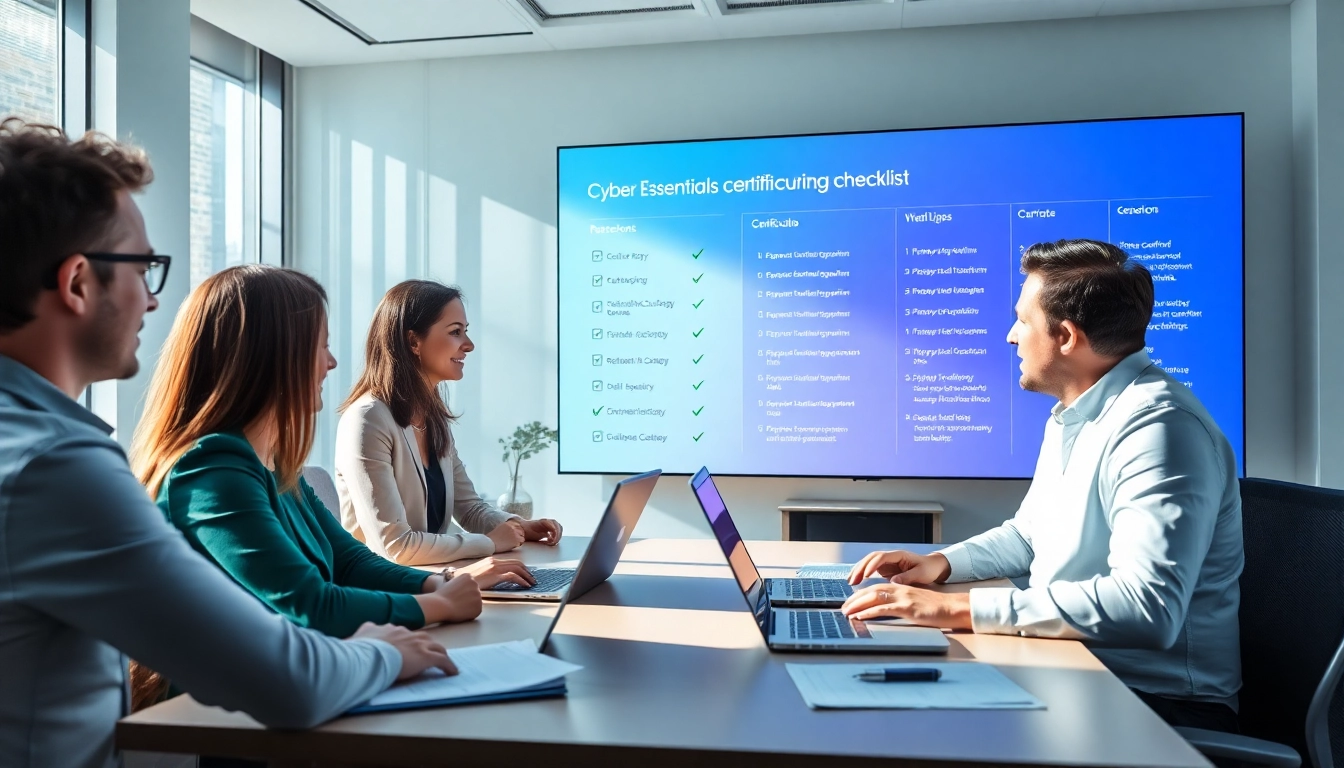
Introduction to Cyber Essentials Certification
In an increasingly digital world, the importance of cybersecurity cannot be overstated. Organizations, regardless of size or industry, are prone to a range of cyber threats that can compromise sensitive data, disrupt operations, and undermine customer trust. One pivotal step toward safeguarding against such threats is obtaining Cyber Essentials certification. This article dives deep into how to get cyber essentials certified, exploring its frameworks, processes, benefits, and challenges.
What is Cyber Essentials?
Cyber Essentials is a UK government-backed scheme that aims to help organizations protect themselves against common cyber threats. This certification outlines a set of basic security measures and best practices that organizations should implement to mitigate risks associated with cyber attacks. The framework serves as a clear benchmark of security standards that demonstrate to clients, stakeholders, and partners that an organization is proactive in its cybersecurity posture.
Importance of Certification
The importance of Cyber Essentials certification rests on several key factors. Firstly, it helps to establish a baseline of cybersecurity hygiene, which organizations can build upon as they develop more robust security measures over time. Secondly, certification can enhance an organization’s reputation and trustworthiness, serving as a powerful marketing tool in a marketplace where data breaches are becoming increasingly common. Furthermore, it supports compliance with regulations such as the GDPR and aids in securing contracts, especially when working with larger organizations or government entities.
Target Audience for Certification
Cyber Essentials certification is relevant for a diverse range of organizations, from small startups to large enterprises. Specifically, it targets businesses that need to demonstrate a commitment to cybersecurity, especially when dealing with sensitive information such as customer data, financial records, or intellectual property. Additionally, organizations bidding for government contracts are often required to hold Cyber Essentials certification, making it vital for those in the public sector.
Understanding the Cyber Essentials Framework
To effectively pursue Cyber Essentials certification, organizations must understand its framework and the controls it stipulates. This allows for a more informed approach to implementation and compliance.
Five Key Controls
The Cyber Essentials framework is built around five key controls designed to protect against common cyber threats:
- Firewalls: Organizations must configure firewalls to safeguard internal networks from untrusted networks such as the Internet.
- Secure Configuration: Devices and software should be securely configured to reduce vulnerabilities. This includes removing unnecessary accounts and services and applying security patches.
- User Access Control: Access to systems must be restricted to only those individuals who need it to perform their job functions, ensuring that user accounts are managed appropriately.
- Malware Protection: Organizations should implement antivirus software to detect and respond to malware threats proactively.
- Patch Management: Regular software updates and patch management practices must be in place to address known vulnerabilities in software and systems.
PAC and Assessment Process
The Cyber Essentials certification process generally follows a three-part assessment framework: the self-assessment questionnaire, the external assessment, and the verification. Organizations typically begin with a self-assessment questionnaire (SAQ) to evaluate their compliance with the five key controls. This is followed by an assessment by a Certification Body, which may be an external auditor. Based on this assessment, organizations receive either certification or feedback on areas that need improvement.
Common Misconceptions
There are several misconceptions surrounding Cyber Essentials certification. One common belief is that it only benefits larger organizations, but in reality, small to medium-sized enterprises can gain significant value from it as well. Another misconception is that the certification process is overly complex, whereas many organizations find that they can achieve certification with a focused approach to establishing the required controls. Furthermore, some believe certification guarantees protection against all cyber threats, but it's important to note that it only addresses a limited set of common vulnerabilities.
Steps to Get Cyber Essentials Certified
Obtaining Cyber Essentials certification may seem daunting, but following a clear set of steps can facilitate the process. Organizations can effectively navigate their journey toward certification by adhering to the following guidelines.
Preparation Checklist
Preparation is key to achieving Cyber Essentials certification successfully. Here’s a checklist to help organizations get started:
- Review and understand the requirements of the Cyber Essentials framework.
- Conduct a cyber risk assessment to identify security gaps and vulnerabilities in existing systems.
- Engage stakeholders from IT, security, and relevant business units to facilitate alignment on security policies and practices.
- Ensure the implementation of the five key controls outlined in the Cyber Essentials framework.
- Prepare documentation detailing processes, configurations, and security policies for submission.
Engaging a Certification Body
Once preparation is complete, the next step is to engage a recognized Certification Body. This involves selecting an accredited body that aligns with your organization’s needs. It’s important to communicate openly with the certification team, ensuring they understand the unique context of your organization's operations and existing security measures.
Submitting Your Application
With a Certification Body selected and preparations complete, the organization can submit its application for Cyber Essentials certification. This would typically include the completed self-assessment questionnaire and any requisite supporting documentation. After submission, the Certification Body will review the application, perform the necessary assessments, and provide feedback on the results, leading to either certification or suggestions for improvement.
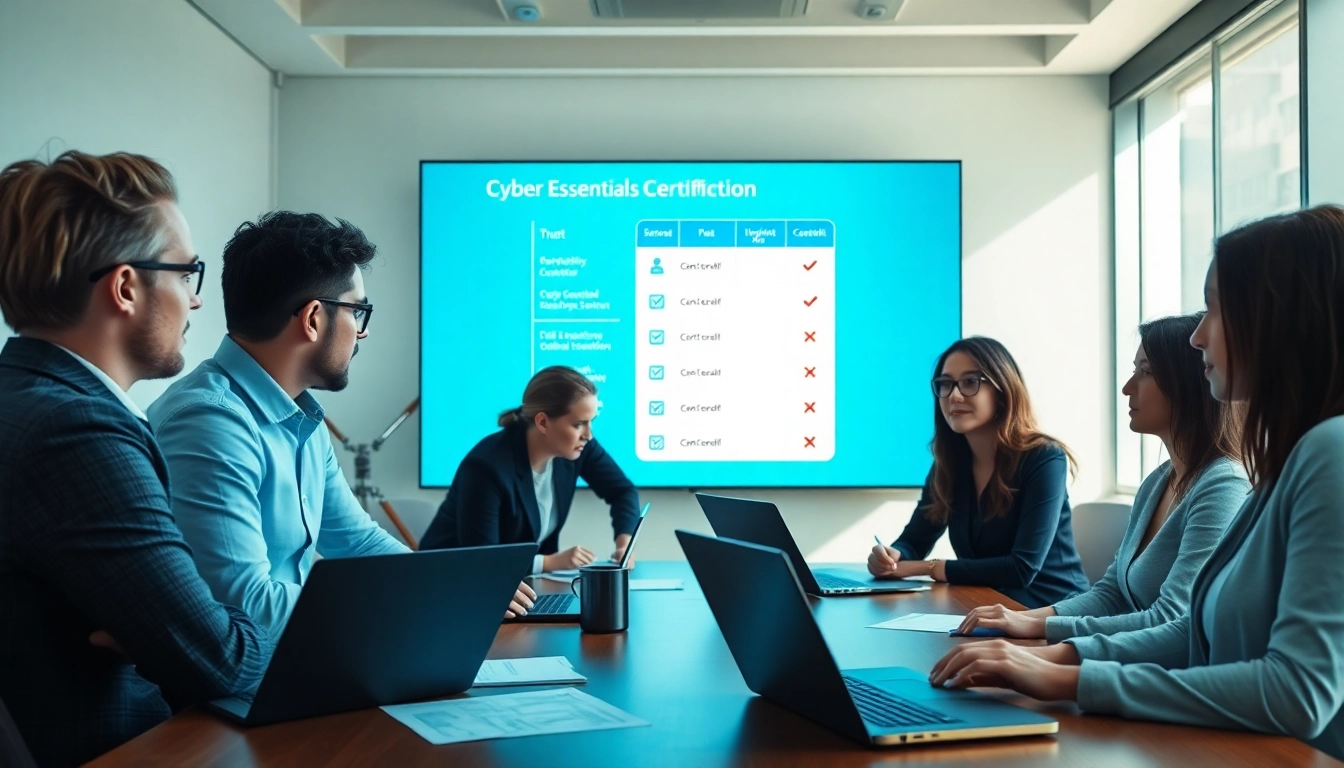
Challenges in Obtaining Certification
The pursuit of Cyber Essentials certification can present several challenges that organizations may face. Awareness and proactive measures can mitigate these challenges.
Common Pitfalls
Some typical pitfalls include underestimating the requirement to implement all five key controls comprehensively. Organizations might also overlook the importance of updating their security measures regularly, which is crucial for maintaining compliance. Ineffective communication between teams can also hinder the certification process, as misalignment can lead to gaps in understanding security protocols.
Maintaining Compliance
Obtaining Cyber Essentials certification is just the beginning; maintaining compliance is an ongoing responsibility. Organizations should commit to regular reviews of their security policies, conduct periodic training for employees, and stay informed about emerging cyber threats. Furthermore, re-certification is necessary annually, encouraging continuous improvement in cybersecurity practices.
Resources for Assistance
To assist in the certification journey, numerous resources are available. The Cyber Essentials official website provides guidance documents and templates. Additionally, many cybersecurity consultancies offer training, workshops, and tailored support to ensure organizations are prepared for certification. Leveraging these resources can enhance an organization’s chance of success.
FAQs on Cyber Essentials Certification
What does Cyber Essentials cover?
Cyber Essentials covers basic security controls that organizations should implement to mitigate common cyber threats. This includes firewalls, secure configurations, user access control, malware protection, and patch management.
How long does certification last?
Cyber Essentials certification lasts for one year. Organizations must re-certify annually to maintain compliance and demonstrate continued commitment to cybersecurity best practices.
What are the costs involved?
The costs of Cyber Essentials certification vary depending on the Certification Body chosen and the size of the organization. Typically, fees include the assessment process and any additional resources required to address security deficiencies.
Can small businesses get certified?
Yes, small businesses can and should pursue Cyber Essentials certification. The framework is designed to be accessible and beneficial for organizations of all sizes, bolstering their cybersecurity posture.
Is ongoing training necessary?
Yes, ongoing training is essential for maintaining cybersecurity awareness among employees. Regular training helps ensure that staff are knowledgeable about emerging threats and the organization’s security policies.