Understanding Hauling
What is Hauling?
Hauling refers to the process of transporting goods or materials from one location to another, typically utilizing trucks or other vehicles designed for heavy loads. It encompasses a wide range of services, from moving furniture and equipment to transferring construction materials and waste. The efficiency and effectiveness of hauling can significantly impact various industries, including construction, agriculture, and waste management. For businesses seeking reliable hauling solutions, understanding the nuances of this service is crucial.
Types of Hauling Services
Hauling services can be categorized based on the nature of the materials being transported. Here are some key types:
- Residential Hauling: Involves the movement of household items, such as furniture and appliances, usually during relocation.
- Commercial Hauling: Aimed at businesses, this service might include transporting office equipment, supplies, and commercial waste.
- Construction Hauling: This involves heavy-duty equipment and materials such as steel, timber, and concrete.
- Specialized Hauling: Catered to unique needs—such as hazardous materials or oversized items requiring special vehicles.
Common Equipment Used in Hauling
Various types of equipment are essential for effective hauling, each designed to manage specific loads and materials. Key equipment includes:
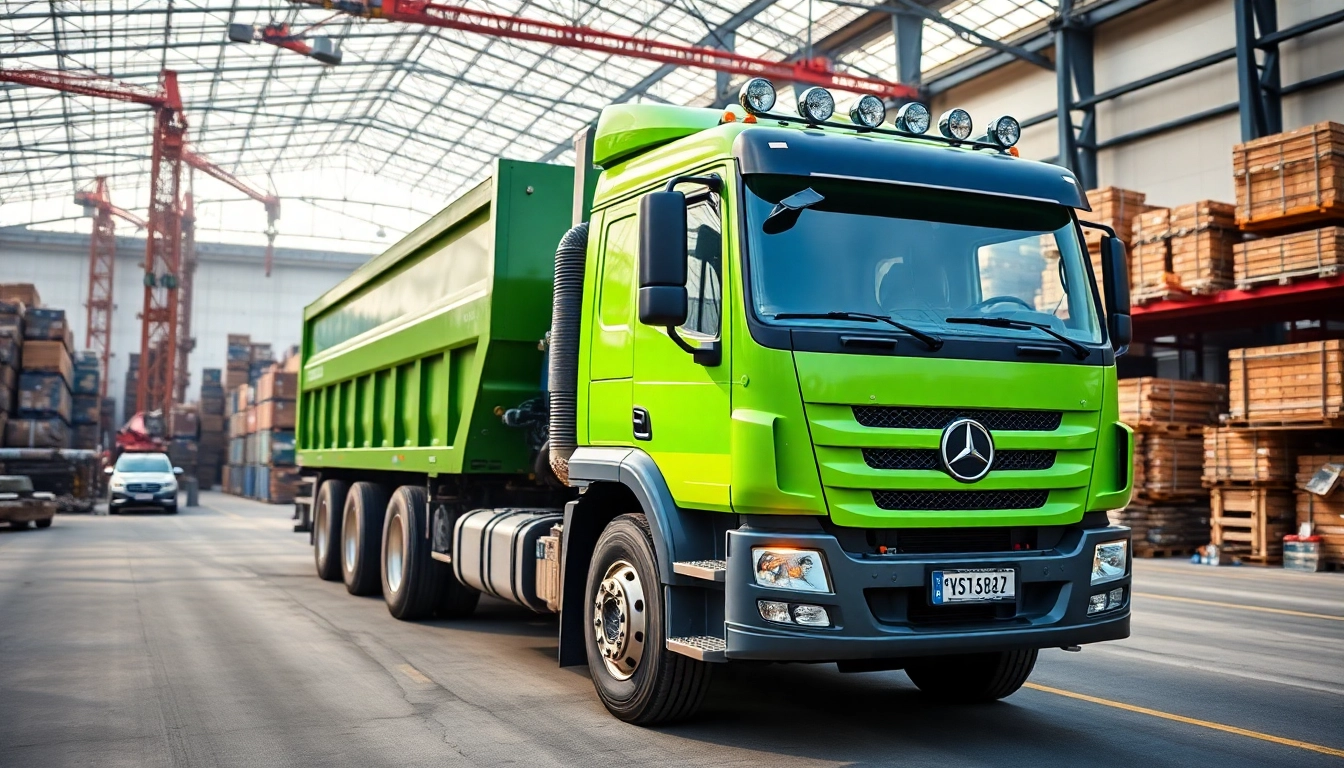
- Dump Trucks: Ideal for carrying loose materials such as sand, gravel, or demolition debris.
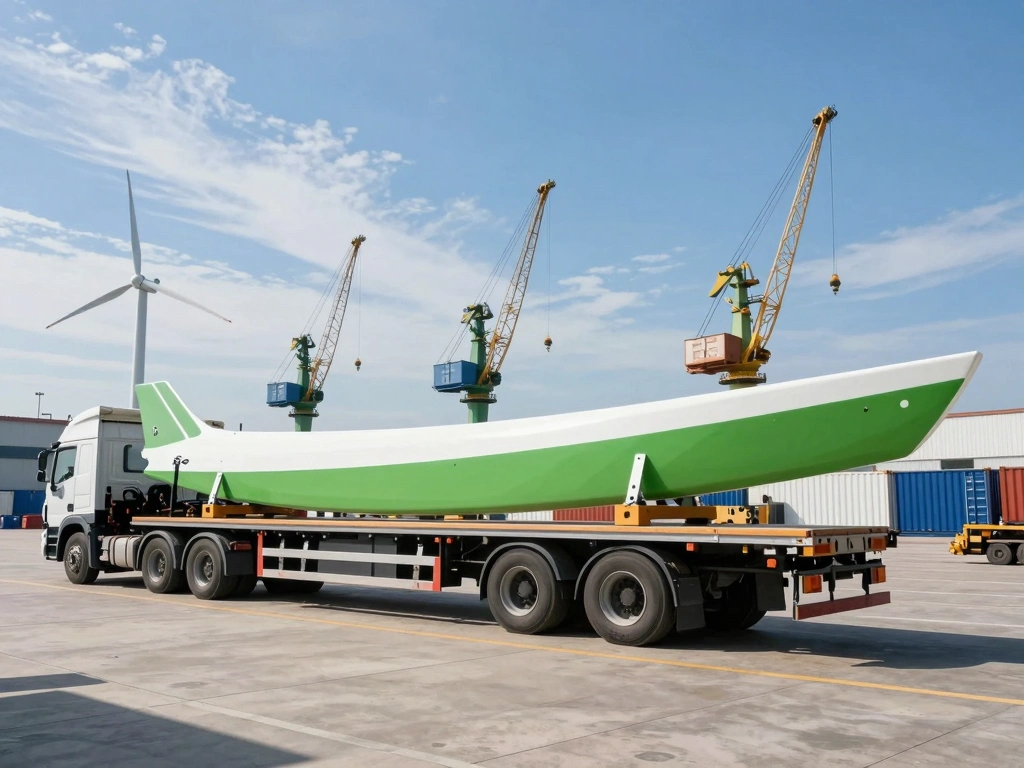
- Flatbed Trucks: Versatile vehicles suitable for transporting larger items that cannot be enclosed within a standard truck.
- Box Trucks: Enclosed vehicles designed for transporting goods and protecting them from the elements.
- Trailers: Often towed by trucks, these are essential for large, bulky items requiring additional driving capacity.
Techniques in Effective Hauling
Best Practices for Hauling
Successful hauling requires adherence to best practices that optimize efficiency and safety. Some of these include:
- Planning Ahead: Conduct a thorough assessment of the materials and routes to avoid delays.
- Load Management: Ensure loads are evenly distributed to maintain vehicle stability and fuel efficiency.
- Timely Communication: Keep lines of communication open between haulers and clients for real-time updates.
- Regular Maintenance: Conduct scheduled maintenance on hauling equipment to avoid breakdowns.
Safety Measures in Hauling
Safety is paramount in hauling operations. Here are fundamental safety measures to consider:
- Driver Training: Ensure that all drivers are well-trained and acquainted with safety protocols.
- Personal Protective Equipment (PPE): Equip workers with hard hats, gloves, and reflective gear to minimize on-site injuries.
- Vehicle Inspections: Regularly inspect all vehicles for brakes, tires, and lighting systems to maintain operational safety conditions.
- Emergency Protocols: Develop and rehearse emergency procedures to be followed in case of an accident or breakdown.
Hauling Logistics and Planning
Logistics plays a crucial role in the hauling process. Accurate planning involves:
- Route Optimization: Utilize GPS and mapping software to determine the most efficient routes.
- Scheduling: Create a realistic schedule that considers potential delays from traffic or weather.
- Inventory Management: Maintain accurate records of items being hauled to facilitate tracking and reporting.
- Resource Allocation: Ensure that the right equipment is available for specific hauling tasks.
Costs Associated with Hauling
Understanding Pricing Factors
The cost of hauling services can vary significantly based on several factors, including:
- Distance: Longer distances typically incur higher transportation costs.
- Load Type: The type of materials being transported may require specialized equipment, affecting overall pricing.
- Volume: Larger or heavier loads generally result in higher charges.
- Time Sensitivity: Urgent haul requests can incur premium rates.
Budgeting for Hauling Projects
Effective budgeting for hauling projects should encompass all possible expenses to avoid unexpected costs. Tips include:
- Quote Comparison: Solicit multiple quotes from different hauling services to identify competitive pricing.
- Include Contingencies: Set aside a portion of the budget for unexpected expenses that may arise during the hauling process.
- Track Expenses: Maintain detailed records of all costs incurred to manage financial planning better.
- Evaluate Needs: Assess whether you need full-service hauling or can manage some tasks in-house to cut costs.
Hidden Costs in Hauling Services
Business owners must be aware of potential hidden costs in hauling services, such as:
- Fuel Surcharges: Fluctuating fuel prices may not be included in initial quotes.
- Out-of-Hours Services: Requests outside regular hours can lead to additional fees.
- Loading and Unloading Fees: Depending on the agreement, these services can incur extra charges.
- Environmental Compliance Fees: Certain materials require special handling and disposal methods.
Industry Applications of Hauling
Hauling in Construction
In the construction industry, hauling is pivotal for transporting materials such as gravel, sand, lumber, and steel. Efficient hauling impacts project timelines, making it essential to choose reliable hauling partners. Proper coordination between hauling services and construction schedules can minimize downtime and optimize project flow.
Hauling in Agriculture
Hauling plays a significant role in agriculture, facilitating the transport of equipment and harvested crops. From moving heavy machinery between fields to transferring crops to markets, effective hauling solutions can enhance productivity and efficiency in agricultural practices.
Hauling in Waste Management
In waste management, hauling services are responsible for transporting collected waste to processing facilities. This involves understanding local regulations regarding waste disposal, recycling, and hazardous materials management. Efficient hauling in this area can help ensure environmental compliance and optimal resource recovery.
Future Trends in Hauling
Technology Impact on Hauling
As technology advances, its influence on hauling services continues to grow. Innovations like GPS tracking, route optimization software, and automated billing systems enhance efficiency and reduce costs. The integration of telematics allows companies to monitor vehicle performance and fuel consumption in real time, further optimizing operations.
Sustainability in Hauling Practices
Sustainability is becoming increasingly important in hauling. More companies are adopting eco-friendly practices, such as optimizing routes to reduce fuel consumption and investing in electric vehicles. Further, awareness of sustainable materials handling is growing, encouraging businesses to recycle and properly dispose of materials.
Innovative Solutions for Efficient Hauling
Innovations such as on-demand hauling services, using apps and platforms for scheduling, have revolutionized the industry. Utilizing data analytics for route planning and load management optimizes hauling and fosters seamless operations.
FAQs
What is the meaning of hauling?
Hauling refers to transporting goods or materials from one location to another, typically by truck, involving both commercial and residential applications.
What types of items can be hauled?
Items that can be hauled include household furniture, construction materials, office supplies, agricultural equipment, and waste materials, among others.
How is the cost of hauling determined?
The cost of hauling is influenced by factors such as distance, load type, volume, and time-sensitive requirements, including potential hidden fees.
What safety measures should be considered in hauling?
Essential safety measures include driver training, regular vehicle inspections, use of PPE, and established emergency protocols to ensure a safe hauling process.
How can technology improve hauling efficiency?
Technology enhances hauling efficiency through GPS tracking, route optimization software, automated billing systems, and real-time monitoring of vehicle performance.
Contact Information
Call Us: 4062607988Address: 3906 MT-40, Columbia Falls, MT 59912