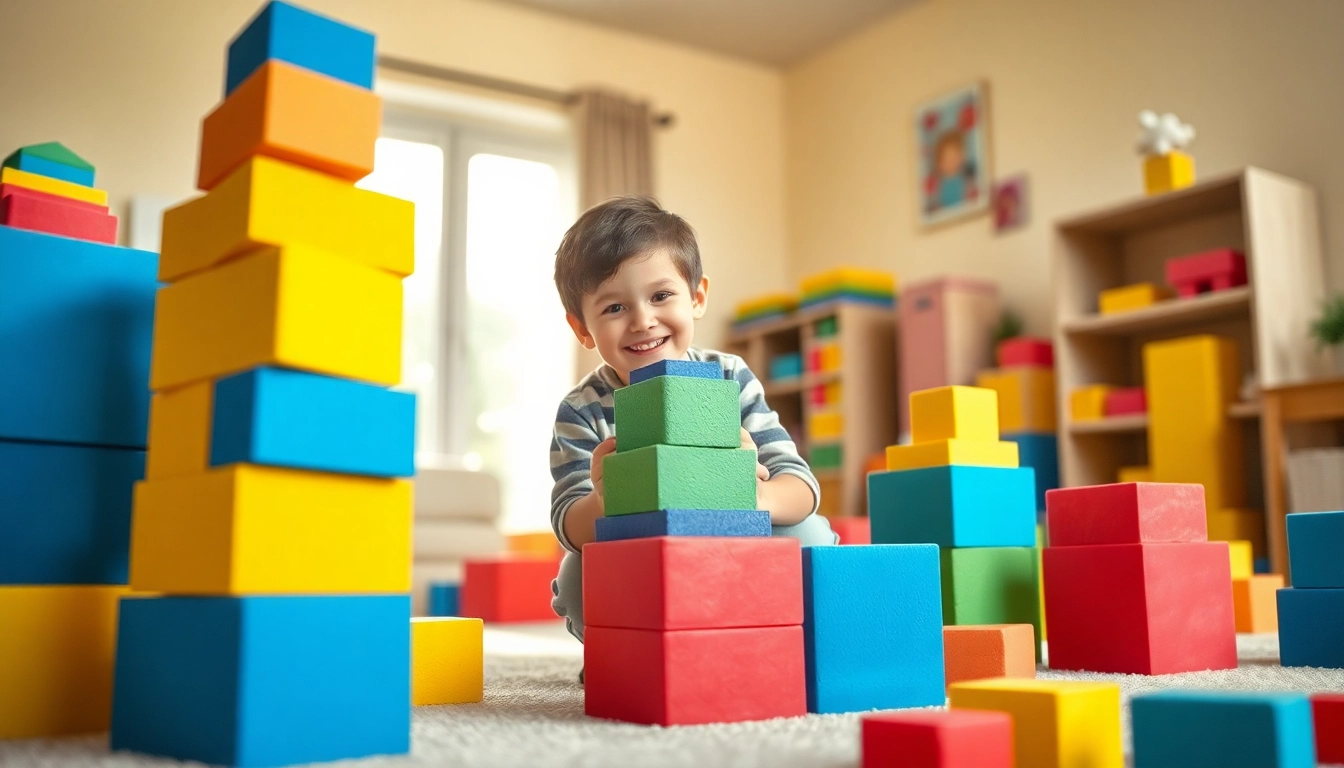
Introduction to Giant Foam Building Blocks
Giant foam building blocks provide an exciting and innovative means for children to engage in creative play. These versatile toys allow for a multitude of building and structural activities that encourage imagination and problem-solving skills while ensuring safety during playtime. This comprehensive guide will delve into everything you need to know about giant foam building blocks, from their unique characteristics to selecting the appropriate type for your child’s needs. If you're seeking more details on these fantastic building materials, you've come to the right place!
What are Giant Foam Building Blocks?
Giant foam building blocks are oversized, lightweight blocks made primarily from durable foam materials. Unlike traditional wooden or plastic blocks, these foam blocks offer a softer impact, making them an ideal choice for younger children. The attractive colors and varied sizes enhance their appeal, inviting children to stack, build, and create freely. These blocks can be used indoors or outdoors, facilitating imaginative play scenarios that are essential for child development.
Benefits of Using Foam Blocks for Play
The benefits of incorporating giant foam building blocks into play are manifold. Firstly, they provide a safe building experience. The soft foam minimizes the risk of injury, which is a critical factor when it comes to young, active children. Additionally, these blocks encourage physical activity as kids engage their muscles while stacking and moving them around. They also promote cognitive skills, such as spatial awareness and problem-solving abilities, as children decide how to create stable structures. Finally, such blocks foster social interaction and cooperation when children work together on building projects.
Safety Features of Foam Building Blocks
Safety is paramount in children's toys, and giant foam building blocks excel in this aspect. The lightweight nature of the foam reduces the likelihood of injuries during play. They are often constructed from non-toxic, flame-retardant foam that isolates harmful chemicals, making them safe for children of all ages. Additionally, their rounded edges further decrease the risk of cuts or bruises, allowing children to play without the constant concern of harm.
Choosing the Right Foam Blocks for Your Needs
Different Sizes and Shapes Available
When it comes to foam building blocks, there are a plethora of sizes and shapes to choose from. Standard sizes range from small, hand-held cubes to larger rectangular prisms that allow for more extensive constructions. Shapes may include traditional block forms, as well as triangles, cylinders, and archways, each serving different building purposes. Parents should consider the age and abilities of their children, as well as the complexity of structures they wish to create, when selecting sizes and shapes.
Color Options and Their Impact on Play
The color of foam blocks can significantly affect a child’s play experience. Bright, vivid colors not only catch the eye but also stimulate cognitive development. Research indicates that children often gravitate towards colorful options, as they enhance creativity and engagement. Blocks with primary colors can help children learn color recognition and mixing, while pastel tones may encourage softer, calming play patterns. Offering a variety of colors can help stimulate imagination and foster an inviting play environment.
Finding the Best Quality Materials
Quality is a critical factor when selecting foam building blocks. A good quality foam block will not only withstand rough play but will also retain its shape over time. When shopping for foam blocks, look for those made from high-density foam, which provides both firmness and flexibility. Additionally, ensure that the blocks are covered with a safe, easy-to-clean material. Checking for compliance with safety standards will give peace of mind, ensuring that the blocks are free from harmful chemicals and excessive wear.
Building Techniques and Ideas for Kids
Basic Building Techniques for Young Children
Introducing basic building techniques to young children can ignite their passion for creation. Encouraging them to build simple towers, walls, or enclosures helps develop their hand-eye coordination and fine motor skills. A fun way to start is to create small structures that teach balance, utilizing a combination of shapes and sizes. Children can be guided to understand basic engineering principles such as stability and support, nurturing their early comprehension of structural design.
Advanced Structures for Older Kids
As children grow older and develop their skills, advanced building techniques come into play. Older children can be encouraged to experiment with complex structures, such as bridges or multi-level buildings. These projects require more thought regarding balance and distribution of weight, providing an excellent opportunity for them to apply mathematical concepts in a real-world context. The introduction of architectural design principles can also spark a budding interest in engineering and architecture.
Incorporating Creativity into Playtime
Foam blocks can serve as a medium for children to explore their creativity. Encourage children to tell stories based on their creations, which helps in language development and narrative skills. They can create themed environments (like castles or space stations) that mimic real-world structures, allowing for play that fosters imagination and exploration. Incorporating art supplies, such as washable paint or stickers, can also enhance their creative expression while personalizing their building experience.
Setting Up an Indoor Play Area
Designing a Safe and Fun Space
Creating an indoor play area that is both safe and fun involves thoughtful planning. It’s essential to choose a soft flooring surface, such as foam mats or carpets, to cushion any falls that might occur during enthusiastic play. Space should be dedicated solely to building activities where the surroundings remain free from hazards. Sufficient room for movement and exploration must be allocated, allowing children to shift their blocks freely without limitation.
Including Other Toys for Interaction
Enhancing the play experience with other toys can enrich the interactions children have while using foam blocks. For instance, incorporating toy vehicles, action figures, or figurines can create dynamic play scenarios that encourage children to act out narratives. This not only broadens the spectrum of play but also promotes imaginative role-playing, further developing social skills and cooperation. Establishing a multifaceted play environment can greatly enhance developmental benefits.
Maximizing Space with Foam Blocks
Efficiently utilizing space in a play area is crucial, especially in smaller homes or apartments. Stacking options, such as designated storage bins or shelving units, enable parents to neatly organize foam blocks when not in use. Additionally, considering modular play designs can allow children to rearrange space creatively as they play, transforming a limited area into an expansive landscape of adventures. Making use of vertical space can also encourage children to think creatively about how they build and play.
Engaging Kids with Structured Activities
Group Activities for Enhanced Teamwork
Group activities using foam blocks can significantly enhance teamwork skills among children. Setting up cooperative building challenges where kids work together to create a shared structure fosters communication, negotiation, and compromise. Such collaborative experiences not only enhance social skills but also teach children the importance of cooperative problem-solving. Supervised group competitions can be an exciting way to instill skills of teamwork and cooperation.
Games and Challenges with Foam Blocks
Games designed around foam block construction can elevate playtime while introducing elements of learning. For example, time-based building challenges encourage speed and efficiency while fostering creativity under pressure. Building competitions can include criteria for aesthetic appeal or structural integrity, making them not just fun but educational. Challenges can also integrate math or physics concepts, providing children with a playful yet robust learning experience.
Encouraging Outdoor Use: Hybrid Play Ideas
Giant foam building blocks aren't limited to indoor play. They can be used outdoors, providing children the opportunity to create larger-than-life structures in a park or backyard. Outdoor play can incorporate elements of nature, allowing children to integrate sticks, leaves, or other natural materials to their creations. Activities like scavenger hunts paired with building can motivate children to explore their environment while inspiring imaginative structure designs.
FAQs About Giant Foam Building Blocks
1. Are foam building blocks safe for toddlers?
Yes, foam building blocks are designed with safety in mind, featuring soft edges and lightweight materials that minimize injury risks while supporting developmental play.
2. How do I clean foam building blocks?
Cleaning foam blocks is simple; use a damp cloth with mild soap to wipe them down. Ensure they dry fully to avoid mold development.
3. What skills do children develop by playing with foam blocks?
Children develop several skills, including spatial awareness, fine motor skills, creativity, problem-solving abilities, and social skills when playing with foam blocks.
4. Can these blocks be used outdoors?
Absolutely! Giant foam building blocks can be used outdoors. Their lightweight nature makes them suitable for various surface types, enriching playtime experiences.
5. How can I encourage my child to play creatively with foam blocks?
Encourage imaginative play by suggesting themes for builds, introducing storytelling elements, and engaging in playtime together to foster creativity and exploration.