The Rise of Modern Entertainment Complexes
In recent years, the landscape of commercial properties has undergone significant transformation, particularly with the emergence of modern entertainment complexes. These spaces are no longer just venues for shopping; they have evolved into vibrant ecosystems that cater to diverse recreational needs. From cinemas and game zones to dining establishments and retail outlets, modern entertainment complexes have become essential to urban planning and community engagement. As we progress into 2026, understanding the nuances of these properties is crucial for investors, developers, and community leaders alike.
When exploring options, www.mgoldproperties.com provides comprehensive insights into the opportunities offered by contemporary entertainment venues.
What Defines a Modern Entertainment Property?
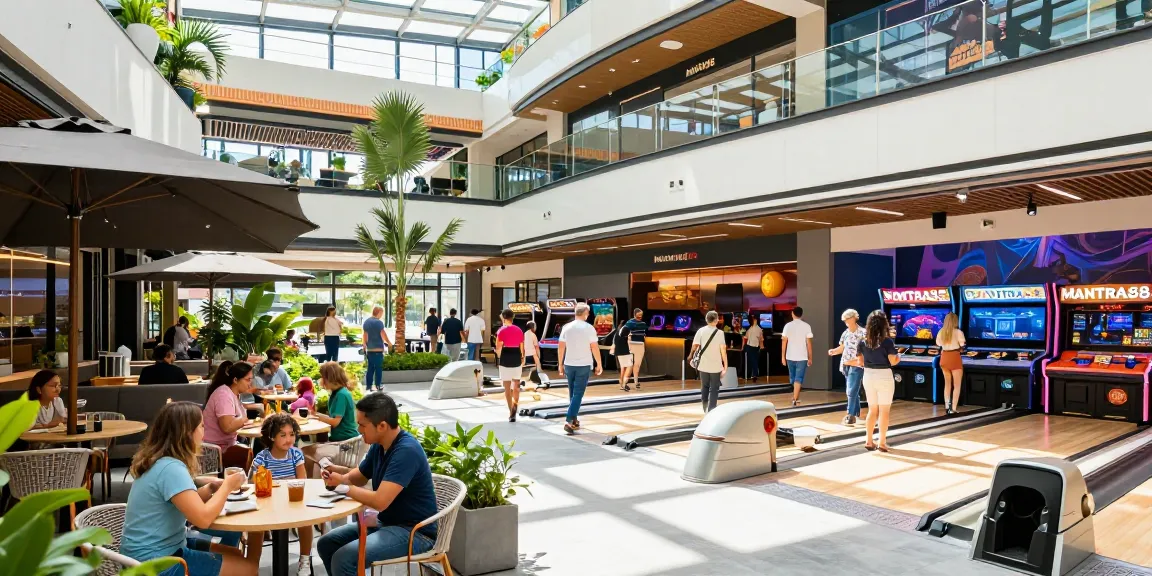
Modern entertainment properties are characterized by their multi-use capabilities, combining leisure, dining, and shopping experiences under one roof. This shift reflects a consumer desire for convenience and variety, where audiences can engage in different activities without the need to travel to multiple locations. These properties often feature:
- Innovative Design: Architecturally engaging layouts that enhance visitor experiences.
- Variety of Activities: A blend of entertainment options, including theaters, bowling alleys, escape rooms, and arcades.
- Dining Options: An array of restaurants and food courts that cater to various tastes and preferences.
- Community Spaces: Areas designed for social interaction, events, and community gatherings.
Trends Shaping Commercial Properties in 2026
Several key trends are currently shaping commercial properties, particularly entertainment complexes. Firstly, sustainability is becoming paramount. Developers increasingly incorporate eco-friendly materials and energy-efficient technologies in their designs. Secondly, there is a push towards creating personalized experiences for consumers. Properties are starting to utilize data analytics to tailor marketing strategies and offerings to individual preferences. Thirdly, the integration of technology is critical, with smart systems enhancing operational efficiency and customer engagement.
Impact on Local Economies and Community Engagement
Modern entertainment complexes positively impact local economies by generating jobs, stimulating tourism, and increasing local business revenues. Furthermore, these properties often serve as community hubs, providing spaces for cultural events, festivals, and recreational activities. Their ability to attract visitors from outside the immediate area enhances community engagement and fosters social connections among residents.
Best Practices for Managing Entertainment and Commercial Spaces
Strategic Planning for Multi-Use Developments
Effective strategic planning is essential for the successful management of modern entertainment complexes. This includes conducting thorough market research to understand consumer demographics, preferences, and trends. Property managers should also invest in flexible spaces that can accommodate various events and activities, adapting to changing consumer demands. Moreover, establishing partnerships with local businesses can create cross-promotional opportunities and enhance visitor experiences.
Innovative Marketing Techniques for Attracting Visitors
To effectively attract visitors, managers should embrace innovative marketing methodologies. Utilizing social media platforms for targeted advertising and engaging content is vital. Additionally, offering promotions or loyalty programs can entice repeat visits. Collaborations with influencers and hosting events can further enhance visibility and draw diverse audiences to the property.
Utilizing Data Analytics for Operational Efficiency
Leveraging data analytics is critical for optimizing operational efficiency in entertainment spaces. By analyzing consumer behavior and preferences, property managers can make informed decisions regarding staffing, inventory management, and marketing strategies. Moreover, implementing customer feedback mechanisms can help identify areas for improvement, ensuring a continually enhanced visitor experience.
Understanding Consumer Preferences and Behavior
Key Demographics for Entertainment Complexes
Identifying key demographics is crucial for tailoring services and marketing strategies. Families, young adults, and tourists often frequent entertainment complexes. Understanding the needs of these groups allows property managers to curate experiences that cater specifically to them, whether that means providing family-friendly activities or trendy dining options for young adults.
What Are Modern Consumers Looking For?
Modern consumers prioritize experiences over material goods. They are looking for immersive environments that offer a blend of entertainment, social interaction, and unique dining. Additionally, safety and cleanliness have become paramount, especially in the wake of the COVID-19 pandemic. Properties that prioritize visitor health through enhanced sanitation practices will likely see increased patronage.
Adapting to Evolving Trends in Leisure Activities
As leisure activities evolve, so must entertainment spaces. Incorporating features such as VR gaming zones, wellness activities, and outdoor spaces are becoming increasingly popular. Properties that adapt to these shifting trends not only enhance visitor satisfaction but also ensure ongoing profitability.
The Role of Technology in Entertainment Spaces
Integrating Smart Technology for Enhanced Experiences
Technology plays a pivotal role in shaping the experiences offered by modern entertainment complexes. Integrating smart kiosks for ticketing, mobile apps for navigation, and IoT devices for personalized interactions enhance customer satisfaction. Furthermore, these technologies streamline operations, contributing to overall efficiency.
Social Media Marketing as a Tool for Engagement
Social media is an indispensable tool for engaging with potential visitors. By showcasing events, promotions, and user-generated content, businesses can build a loyal community. Real-time updates and interactive content can also cultivate a vibrant online presence, incentivizing visits to the physical location.
Virtual Reality Experiences: Future of Entertainment
As virtual reality technology becomes more accessible, many entertainment complexes are starting to incorporate VR experiences. This innovation allows visitors to immerse themselves in various activities, from gaming to interactive storytelling, creating an enhanced experience that sets these properties apart from traditional entertainment venues.
Future Trends in Commercial and Entertainment Properties
Emerging Concepts for 2026 and Beyond
In the coming years, we can expect to see the rise of hybrid spaces that blend retail, dining, and entertainment into a seamless experience. Concepts such as themed environments that cater to niche markets will likely gain traction, appealing to specific interests such as gaming, fitness, or culinary arts. Moreover, outdoor and open-air entertainment venues may become more popular as consumers seek safe spaces for social interaction.
Sustainability Practices in Entertainment Developments
Sustainability will continue to be a defining factor in the development of commercial properties. Expect to see increased use of renewable energy sources, efficient waste management systems, and green building practices to minimize environmental impact. Properties that prioritize sustainability will not only appeal to environmentally conscious consumers but also benefit financially in the long run.
Predictions for Market Growth and Challenges Ahead
The commercial entertainment sector is projected to grow steadily as consumer demand for eclectic experiences increases. However, challenges such as economic fluctuations and changing consumer preferences will require property managers to remain agile and responsive. Those who can adapt quickly to market shifts and innovate will maintain a competitive edge.
What are the benefits of investing in modern entertainment centers?
Investing in modern entertainment centers offers numerous benefits, including diversified revenue streams, increased foot traffic, and enhanced community engagement. These properties attract a wide audience, making them resilient against economic downturns and providing opportunities for long-term growth.
How can property managers enhance visitor experiences?
Property managers can enhance visitor experiences by employing strategies that prioritize customer service, providing personalized experiences, and leveraging technology for convenience. Regularly seeking feedback and implementing changes based on visitor suggestions can significantly improve satisfaction and loyalty.
What technologies are essential for the future of entertainment spaces?
Key technologies for the future of entertainment spaces include smart ticketing systems, mobile apps for personalized experiences, and immersive technologies like augmented and virtual reality. These innovations will not only enhance customer engagement but also streamline operations, ensuring a more efficient and enjoyable experience.
How do consumer behaviors impact entertainment property designs?
Consumer behaviors greatly influence entertainment property designs. As preferences shift towards experiential offerings, property layouts are evolving to facilitate social interaction and engagement. Developers are designing open spaces, flexible layouts, and community areas that cater to the modern consumer’s desire for connection and experience.
What role does community engagement play in commercial success?
Community engagement is key to the commercial success of entertainment properties. By fostering strong ties with local communities, properties can build loyal customer bases and enhance their reputations. Collaborating with local artists, hosting events, and supporting community initiatives can create a sense of belonging and attract regular visitors.