Introducing Australia: An Overview
Australia, the Land Down Under, is renowned for its unique landscapes, rich cultural tapestry, and diverse ecological environments. Encompassing over 7.6 million square kilometers, it is the sixth-largest country in the world and is categorized as the smallest continent. This remarkable country offers everything from bustling cities to picturesque coastlines and majestic outback. To understand Australia, one must explore its geography, rich cultural heritage, and the key historical events that have shaped its current identity. An essential step in this journey is to explore reliable sources about Australia, such as Australia.
The Geography of Australia
The geography of Australia is as diverse as its population. It features a vast range of landscapes, including majestic mountains, expansive deserts, lush rainforests, and stunning coastlines. The country is bordered by the Indian Ocean to the west and the Pacific Ocean to the east. Key geographic features include the Great Dividing Range, which runs along the eastern coast, and the Outback, characterized by rugged terrain and unique ecosystems. One of the most popular natural attractions is the Great Barrier Reef, the largest coral reef system in the world, showcasing Australia's marine biodiversity.
Cultural Diversity and Heritage in Australia
Australia is one of the most multicultural countries in the world, with a population that includes descendants of Indigenous peoples, British colonizers, and immigrants from all corners of the globe. The Indigenous people of Australia, including various Aboriginal and Torres Strait Islander communities, boast a rich cultural heritage that dates back thousands of years. Traditional customs, languages, and practices are still alive today, contributing to the cultural fabric of modern Australia. Festivals celebrating this diversity occur throughout the year, from multicultural events to Indigenous ceremonies, showcasing the richness of art, music, and cuisine from around the world.
Key Historical Events that Shaped Australia
Understanding Australia’s history provides insight into its present-day values and social structures. The arrival of Indigenous peoples approximately 65,000 years ago marked the beginning of rich cultural traditions. The arrival of British colonizers in 1788 led to significant demographic and cultural changes, often at the expense of Indigenous populations. Notable events include the Gold Rush in the 19th century which attracted a large influx of immigrants and the Federation of the colonies in 1901, leading to the establishment of the Commonwealth of Australia. Apologies and reconciliation efforts towards Indigenous peoples in the late 20th century signify ongoing efforts to address historical grievances and create a more inclusive society.
Exploring Australia's Cities
Sydney: The Harbour City
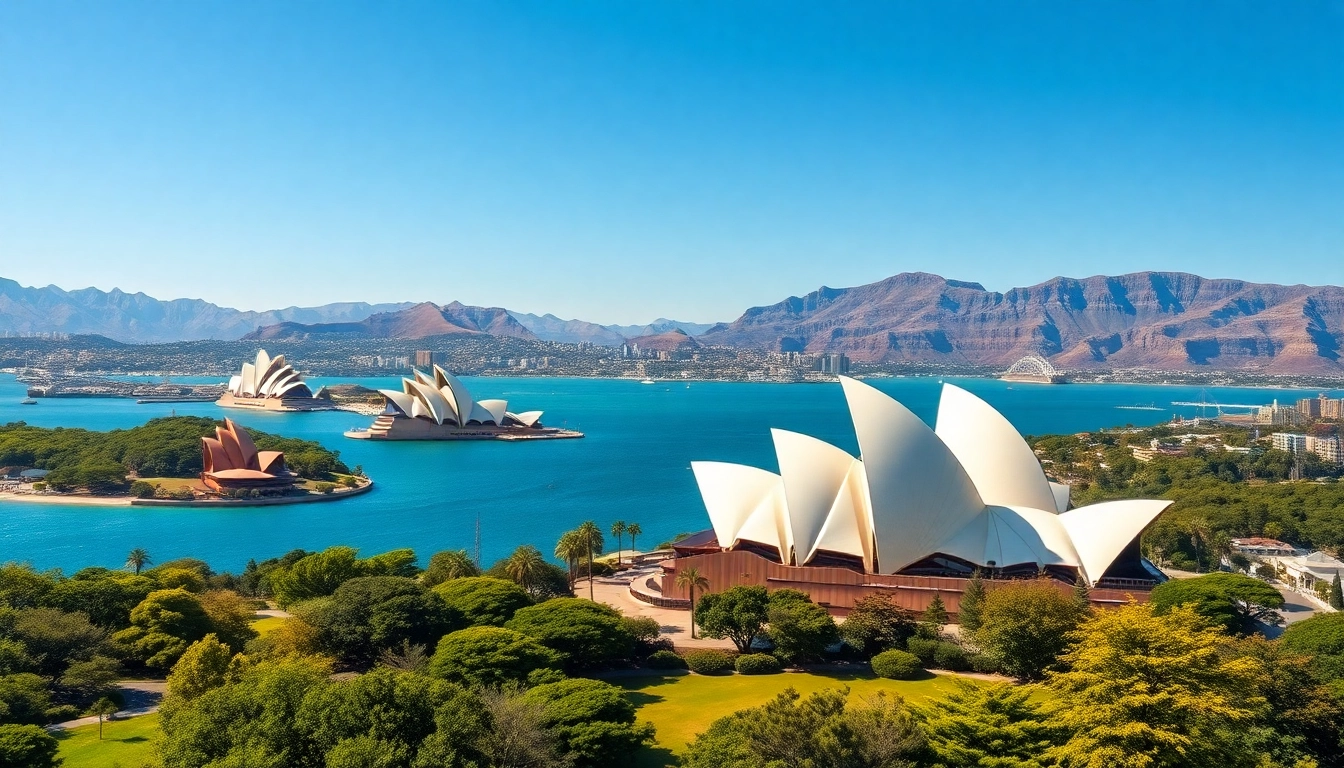
Sydney, the capital of New South Wales, is perhaps Australia's most iconic city, known for its stunning harbour, sandy beaches, and vibrant cultural scene. The Sydney Opera House, with its distinctive sail-like structures, is a UNESCO World Heritage site and a world-renowned architectural marvel. Visitors can enjoy the picturesque views from the Sydney Harbour Bridge, partake in waterside dining, or relax on Bondi Beach. Sydney’s diverse neighborhoods offer various experiences, from the eclectic atmosphere of Newtown to the historic charm of The Rocks.
Melbourne: The Cultural Capital
Melbourne is often regarded as Australia’s cultural capital, famous for its arts scene, coffee culture, and lively events. The city boasts an array of galleries, theaters, and music venues that celebrate local and international talent. The annual Melbourne International Comedy Festival and the Melbourne Festival highlight the city’s support for arts and entertainment. Wander through the laneways to discover stunning street art, trendy cafes, and boutique shops, all contributing to Melbourne’s unique charm.
Brisbane: The Sunshine State's Capital
Brisbane, the capital of Queensland, is characterized by its warm climate and outdoor lifestyle. The city is situated along the Brisbane River, offering ample opportunities for water activities and riverside parks. Cultural offerings include the Queensland Art Gallery and the Gallery of Modern Art (GOMA). Brisbane is also close to attractions such as the Gold Coast and Sunshine Coast for those seeking beaches and surfing. The vibrant atmosphere and friendly locals make Brisbane a welcoming destination for both residents and visitors.
Engaging with Australia's Natural Wonders
The Great Barrier Reef: A Natural Marvel
The Great Barrier Reef is not only Australia’s most famous natural wonder but also one of the most incredible ecosystems on the planet. Stretching over 2,300 kilometers along Queensland's coast, it comprises thousands of individual reefs and islands. Home to a vast array of marine life, including colorful corals, fish, turtles, and sharks, the reef provides unparalleled opportunities for snorkeling and diving. Conservation efforts are critical to protect this UNESCO World Heritage site from climate change and human impact, ensuring that its beauty and biodiversity are preserved for generations to come.
Unique Wildlife and Conservation Efforts in Australia
Australia is renowned for its unique wildlife, including animals found nowhere else on Earth like kangaroos, koalas, and platypuses. The country's diverse habitats, from rainforests to deserts, foster a plethora of species and ecosystems. However, many of these species face threats from habitat destruction, climate change, and invasive species. Various conservation initiatives are underway to protect Australia’s indigenous wildlife, involving collaborations between government agencies, nonprofits, and local communities. Visiting wildlife sanctuaries and participating in conservation projects allows travelers to appreciate and support these important efforts.
Iconic National Parks to Visit in Australia
Australia's national parks offer a gateway to experiencing its stunning natural beauty and biodiversity. Places like Kakadu National Park in the Northern Territory house ancient rock art and diverse ecosystems, while the Blue Mountains National Park in New South Wales is famous for its dramatic cliffs and eucalyptus forests. Other notable parks include the Daintree Rainforest, the world’s oldest rainforest, and Uluru-Kata Tjuta National Park, home to the sacred rock formations of Uluru. These parks are key to preserving Australia’s natural heritage and providing opportunities for eco-tourism.
Experiencing Australian Culture
Australian Festivals and Events
Australia’s vibrant cultural scene is celebrated through numerous festivals and events held throughout the year. Events such as the Sydney Festival, the Melbourne International Arts Festival, and the Adelaide Fringe attract artists and audiences from around the globe. These gatherings not only showcase the arts but also promote cultural exchange and community engagement. Additionally, regional festivals highlight local traditions, food, and music, enriching the cultural landscape of Australia.
Indigenous Culture and Contributions in Australia
The contributions of Indigenous Australians are essential to understanding the country’s cultural heritage. Traditional storytelling, visual arts, and performance reflect the rich spiritual connection Indigenous peoples have with the land. The introduction of cultural events like NAIDOC Week celebrates the history, culture, and achievements of Aboriginal and Torres Strait Islander peoples. Engaging with Indigenous Australians, whether through guided tours or art exhibitions, enhances appreciation for their history and contemporary contributions to society.
Popular Australian Cuisines to Try
Australian cuisine reflects its multicultural influences, blending traditional Indigenous ingredients with flavors from Asia, Europe, and beyond. Iconic dishes include the meat pie, Vegemite on toast, and the classic Australian barbecue. As cities like Melbourne and Sydney are home to diverse culinary scenes, tourists can enjoy international fare, from Thai to Italian. Additionally, fresh seafood from both coasts is a must-try, including fish and chips or a catch of the day at local eateries. The coffee culture, especially in Melbourne, is celebrated with specialty cafés often serving locally roasted beans.
Essential Travel Tips for Visiting Australia
Best Times to Visit Australia
The best time to visit Australia largely depends on which region you're exploring. The southern parts, such as Sydney and Melbourne, are best visited between late spring and early autumn (October to April), providing warm temperatures and fewer crowds. Conversely, northern areas like Cairns are more pleasant during the winter months (May to September) when humidity is lower, making it ideal for exploring the tropical climate.
Understanding the Local Customs in Australia
When visiting Australia, it’s important to be aware of local customs and etiquette. Australians are generally informal; casual dress is acceptable in most settings. Greeting people with a friendly “G'day” is common. Tipping in restaurants is appreciated but not compulsory unless service is exceptional. Respect for the land and its Indigenous heritage is paramount, so visitors are encouraged to educate themselves on local customs, especially when engaging with Indigenous communities.
Transportation Options Within Australia
Traveling within Australia is facilitated by a range of transportation options. Domestic flights are convenient for covering vast distances quickly, particularly between major cities. Public transport options, including buses and trains, are available in urban areas, while car rentals offer flexibility for exploring regional attractions. Australia's well-maintained highways make road trips a popular choice, with scenic routes like the Great Ocean Road providing breathtaking views along the coast.
FAQs
What is the best time to visit Australia?
The ideal time to visit Australia varies by region; however, spring and autumn (September-November, March-May) are often recommended for pleasant weather and fewer crowds.
Is Australia a safe place to travel?
Yes, Australia is generally considered safe for travelers, with a low crime rate and robust healthcare system, making it a popular destination for tourists.
What are the must-see attractions in Australia?
Top attractions include the Sydney Opera House, Great Barrier Reef, Uluru, and Melbourne's cultural precinct.
Do I need a visa to visit Australia?
Yes, visitors typically need a valid visa to enter Australia, which can be obtained online depending on the duration and purpose of the stay.
What currency is used in Australia?
The currency in Australia is the Australian Dollar (AUD), and it's advisable to exchange currency or use international credit cards while traveling.