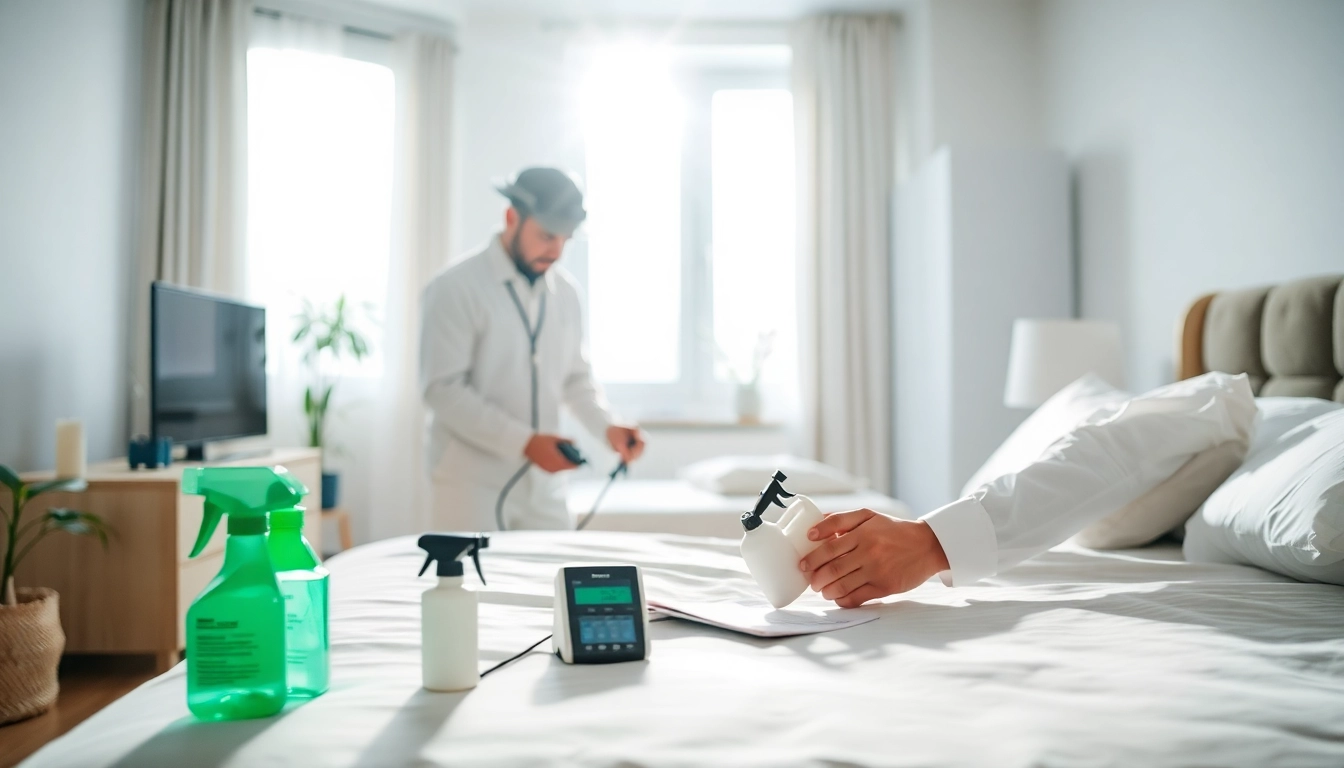
Understanding Bed Bugs
What are Bed Bugs?
Bed bugs, scientifically known as Cimex lectularius, are small, oval-shaped insects that feed on human blood. Adult bed bugs can grow up to 5-7 mm in size, resembling a tiny apple seed, and can vary in color from reddish-brown to golden-brown. These nocturnal pests are notorious for hiding in the seams of mattresses, bed frames, and other furniture, making them difficult to detect until an infestation has occurred. Despite their common association with poor hygiene, bed bugs are often found in clean environments due to their ability to travel via clothing, luggage, and used furniture.
Signs of an Infestation
Detecting a bed bug infestation early is crucial for effective bed bug treatment. Key indicators include:
- Physical Bites: Red, itchy welts on the skin often arranged in a linear pattern that appear after sleeping.
- Blood Stains: Small reddish-brown stains on bedding or mattresses can indicate that bed bugs have fed.
- Fecal Spots: Dark, tiny spots on sheets, furniture, or walls are a sign of bed bug droppings.
- Eggs and Skins: Tiny, white eggs or shed exoskeletons observed in crevices where bed bugs hide.
- Musty Odor: A sweet, musty smell can emanate from an infestation, caused by bed bugs’ scent glands.
Life Cycle of Bed Bugs
The life cycle of a bed bug consists of several stages: egg, nymph, and adult. An adult female can lay 1-5 eggs per day, leading to rapid population growth. The eggs hatch in 6-10 days, and the nymphs mature into adults in about 4-5 weeks, depending on environmental conditions. This brief life cycle highlights the importance of timely intervention to prevent widespread infestation.
Preparing for Bed Bug Treatment
Assessing the Infestation
Before initiating any bed bug treatment, a thorough assessment of the extent of the infestation is essential. Start by inspecting not only beds and bedding but also surrounding areas like carpets, baseboards, and furniture. Use a flashlight to illuminate dark spaces where bed bugs may hide, and be sure to check for shed skins and eggs. Consider seeking help from a pest professional if the infestation is severe, as they can accurately evaluate the situation.
Gathering Necessary Supplies
Preparing your home for treatment requires specific supplies. Essential items include:
- Sealability: Heavy-duty plastic bags for transporting affected items.
- Chemicals: Approved pesticides for bed bugs, which can be found at local hardware stores or online.
- Heat Sources: Portable heaters or steamers that can treat infested fabrics.
- Vacuum: A vacuum with a HEPA filter to remove bed bugs and their eggs from surfaces.
- Protective Gear: Gloves, masks, and goggles to ensure personal safety during treatment procedures.
Creating a Treatment Plan
Having a detailed treatment plan ensures that every area of your home is addressed. Outline the steps necessary to eliminate the insects, including:
- Initial Treatment: Define whether you will use chemical treatments, heat, or a combination of methods.
- Encasement: Invest in bed bug-proof mattress and box spring encasements to trap any remaining bugs and prevent reinfestation.
- Follow-Up Treatments: Plan for additional treatments, as bed bugs can be resilient.
Methods of Bed Bug Treatment
Chemical Treatments
Chemical bed bug treatments involve the use of pesticides known to kill these pests effectively. Products containing pyrethroids, neonicotinoids, or insect growth regulators are commonly used. It's crucial to follow manufacturer instructions and recommended safety protocols while applying these substances. Ensure to maintain adequate ventilation and safeguard pets and children from exposure. While effective, chemical treatments may require multiple applications and monitoring to confirm success.
Heat Treatments
Heat treatment is another proven method for eradicating bed bugs. This method involves raising the temperature of infested areas to a lethal level—generally around 120°F (49°C) for a sustained period. Professional pest control companies often conduct this using specialized equipment, though homeowners can attempt similar methods with portable heaters. Heat treatment effectively kills all life stages of bed bugs; however, it necessitates careful preparation of the affected areas to protect personal belongings.
DIY Solutions and Home Remedies
For those seeking alternative solutions, several DIY remedies can assist in managing smaller infestations. Options include:
- Diatomaceous Earth: A natural insecticide that dehydrates bed bugs upon contact.
- Essential Oils: Certain oils, such as tea tree and lavender, may repel insects, although they are not guaranteed to eliminate them.
- Steam Cleaning: Utilizing steam cleaners on mattresses and furniture can kill bed bugs instantly.
Although these methods can aid in controlling minor issues, it's important to combine them with other comprehensive treatment strategies for more significant infestations.
Post-Treatment Care
Preventing Future Infestations
Once you have successfully achieved bed bug treatment, maintaining vigilance is paramount. Regularly inspect your home for signs of bed bugs, and take preventive measures like:
- Decluttering: Remove unnecessary items from your home to limit hiding places.
- Laundering: Wash and dry bedding and clothing regularly on high heat.
- Travel Precautions: Always check hotel rooms for signs of bed bugs before settling in.
Monitoring for Reinfestation
Implementing ongoing monitoring strategies can help catch any potential reinfestation early. This includes:
- Monitoring traps: Place bed bug detection traps near beds and high-risk areas.
- Frequent Inspections: Set a schedule to check for signs of pests, especially after travel or bringing home second-hand items.
Cleaning and Maintenance Tips
Maintaining a clean and organized environment aids in discouraging bed bugs. Regular cleaning tasks include:
- Vacuuming: Frequently vacuum carpets, rugs, and upholstery while disposing of the bag or contents immediately.
- Steam Cleaning: Utilizing steam cleaners on floors and furniture will help eliminate any lingering pests.
- Inspections: Regularly check your belongings and sleeping areas for signs of bed bugs.
Frequently Asked Questions about Bed Bug Treatment
How do I identify a bed bug infestation?
Look for physical signs such as bite marks, blood stains, and fecal spots, as well as the presence of shed skins and eggs around your sleeping area.
Are bed bugs dangerous to my health?
While bed bugs do not transmit diseases, their bites can lead to discomfort, allergic reactions, and secondary infections from scratching.
What’s the cost of professional bed bug treatment?
The cost varies based on the extent of the infestation and the location, typically ranging from several hundred to over a thousand dollars per treatment session.
How can I prepare my home for treatment?
Prepare by decluttering, cleaning bedding and clothing, vacuuming thoroughly, and sealing affected items in plastic bags. Follow specific instructions from your pest control provider.
What are the best methods for preventing bed bugs?
Preventative measures include frequent inspections, maintaining cleanliness, being cautious while traveling, and using protective encasements for mattresses.