Understanding the Importance of Screen-Free Play
As digital devices become increasingly embedded in daily life, the significance of screen-free play has never been more critical for children's development. Engaging in non-digital play not only fosters creativity but also enhances physical, social, and emotional skills. From building blocks to imaginative role-play, screen-free toys offer an invaluable alternative that can enrich a child’s playtime experience while promoting holistic growth. To explore more on this topic, visit the website.
Benefits of Unplugged Play for Children
Unplugged play provides myriad benefits for children, starting with improved cognitive functioning. When children engage in hands-on activities, they develop critical thinking skills, problem-solving abilities, and creativity. Screen-free play also supports physical development, as children enhance their coordination, muscle strength, and spatial awareness through manipulation of various toys.
Moreover, screen-free interactions cultivate emotional and social skills. Children learn to express their feelings, navigate group dynamics, and develop empathy as they engage in cooperative play. These experiences are fundamental, particularly in early childhood when foundational social skills are formed. Unplugged play offers a safe space where children can experiment, collaborate, and grow, proving essential to their overall development.
How Screen-Free Toys Enhance Development
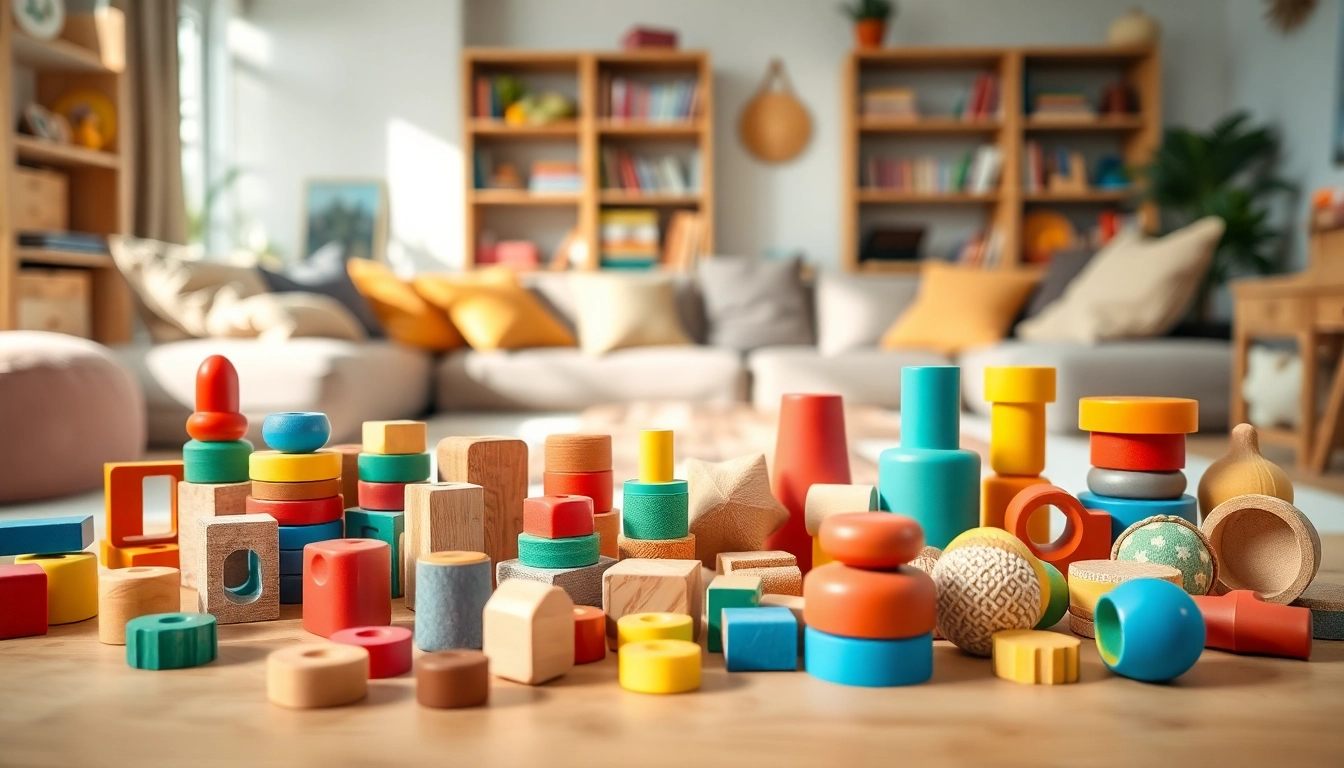
Screen-free toys play a pivotal role in fostering a child's development across various domains. For instance, toys that encourage building, such as blocks or construction sets, promote fine motor skills as children grasp, stack, and balance pieces. These activities not only refine dexterity but also enhance cognitive skills through understanding cause and effect.
Imaginative play with role-playing toys allows children to explore different roles and scenarios, which fosters language development, creativity, and problem-solving capabilities. This type of play also aids in emotional regulation, as it gives children a platform to express their feelings and process their experiences in a controlled environment.
Additionally, engaging with arts and crafts encourages sensory exploration, which is crucial for cognitive development. Children learn about textures, colors, and forms while expressing their creativity and individuality through their artistic projects. Overall, screen-free toys equip children with essential skills that benefit their emotional, social, and cognitive development while allowing them to use their imagination freely.
Creating a Balanced Play Environment
Creating a balanced play environment involves a thoughtful mix of screen-free activities alongside limited screen time. This approach ensures that children gain exposure to various forms of play, fostering resilience and adaptability. Parents and caregivers can establish a structured routine that allocates specific times for screen activities while prioritizing unplugged play during crucial development stages.
A balance can be achieved by rotating toys and activities, ensuring a vibrant and engaging environment. Incorporating elements from nature, such as outdoor play and sensory activities, adds variety and offers numerous benefits, including improved health and well-being.
Moreover, inviting family members to partake in screen-free activities strengthens bonds and promotes cooperative play. Family board games, craft projects, or outdoor sports encourage interaction and communication, reinforcing the importance of social connections. This balance ultimately nurtures well-rounded children capable of thriving in diverse environments.
Top Picks for Screen-Free Toys
Fine Motor Skill Builders
Fine motor skills are essential for children's everyday tasks, from writing to tying shoelaces. Toys designed specifically to enhance these skills include puzzles, stacking toys, and threading sets. For example, simple jigsaw puzzles can improve hand-eye coordination and spatial reasoning by encouraging children to analyze shapes and fit them together.
Another excellent option is building sets featuring small parts that require precision and control. These encourage children to manipulate each piece, improving dexterity while simultaneously engaging their creative sides. Activities like bead threading or crafts with small materials further refine fine motor skills—a critical aspect of early development.
Creative Construction Toys
Creative construction toys are fantastic tools to inspire curiosity and innovation. These types of toys encourage children to think outside the box as they build various structures, from simple houses to elaborate cities. Different materials, such as wooden blocks, magnetic tiles, or soft bricks, offer unique building experiences that can vary widely in complexity.
Construction play has shown to greatly aid in spatial awareness and engineering skills as children strategize how to balance and connect materials. These toys also promote independent play and cooperative engagement with peers as they share ideas and build together, making them invaluable in developing teamwork and negotiation skills.
Imaginative Role-Playing Sets
Imaginative role-playing toys provide a platform for children to mimic real-life situations, fostering creativity and social skills. Toys such as kitchen sets, doctor kits, and tool sets empower children to assume various roles, enhancing their understanding of the world around them.
Role-playing helps improve communication skills as children narrate their stories and interact with peers. This form of play also nurtures empathy by allowing children to see through different perspectives, further promoting emotional intelligence. Imaginative role-playing encourages problem-solving as children navigate various scenarios, developing critical thinking and adaptive skills essential for the real world.
Incorporating Screen-Free Toys into Daily Routines
Time Management for Play
Effective time management is key to successfully incorporating screen-free toys into daily routines. Establishing a consistent schedule helps create a rhythm for play, allowing children to anticipate and look forward to their independent and cooperative playtime.
Consider segmenting the day into various blocks dedicated to different kinds of play. For instance, mornings could be allocated for imaginative role-play, while afternoons may be reserved for fine motor activities. This structured approach not only promotes a healthy balance between play and responsibilities but also enhances children's focus and engagement during designated times.
Engaging Family Activities
Engaging the entire family around screen-free toys strengthens familial bonds and encourages shared experiences. Consider instituting family game nights featuring board games or creative building challenges with blocks. These shared moments facilitate open communication and collaboration while also enhancing mutual understanding and connection.
Outdoor family adventures, such as hiking or visiting a local park, allow for exploration and physical activity, encouraging children to discover and interact with the world around them. These family engagement opportunities foster a sense of community, resilience, and teamwork—skills that are invaluable as children navigate life's challenges.
Monitoring Screen Time Effectively
Effectively monitoring screen time is crucial in fostering a healthy balance between digital and screen-free play. Parents can set clear guidelines for screen use based on age, developmental level, and family values. Utilizing tools like apps that track usage, timers, or simple family agreements can aid in ensuring that screen time remains purposeful and constructive.
Open discussions about the content consumed on screens can also encourage critical thinking about media consumption and help children understand the importance of balance. By fostering transparency and supporting children’s interests in unplugged play, families can work together to create a healthy relationship with screens.
DIY Screen-Free Play Ideas
Crafts Using Household Items
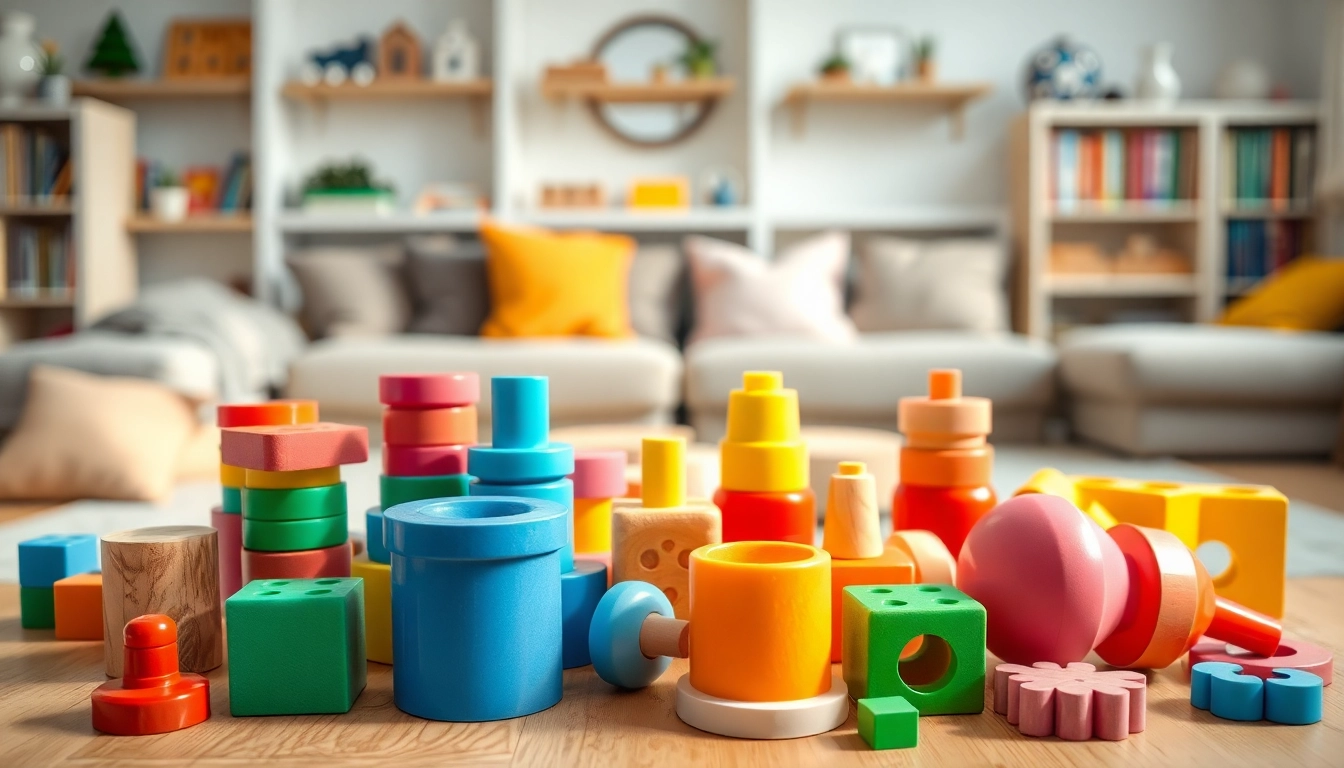
Crafting with household items can spark creativity and resourcefulness in children. Items like empty boxes, bottle caps, scraps of paper, and fabric scraps can be transformed into unique art and craft projects. For example, using cardboard boxes, children can create elaborate forts or imaginative vehicles, providing an immersive play experience.
Encouraging children to design their own crafts not only promotes fine motor skills but also enhances critical thinking as they learn to plan, create, and refine their projects. These activities often lead to amusing, original creations that give children a sense of achievement and ownership over their playtime.
Outdoor Activities to Inspire Play
Outdoor play is an essential part of child development, encouraging physical activity, creativity, and exploration. Activities such as scavenger hunts, obstacle courses, or nature walks can ignite children's curiosity and appreciation for the outdoors. Simple, nature-based projects, like building a birdhouse or creating a garden, can be very rewarding experiences that foster responsibility and environmental awareness.
Encouraging children to invent their outdoor games can also stimulate creativity while allowing them to exercise physical skills. Whether it’s a unique variation of tag or an original team challenge, outdoor play promotes healthy physical competition and teamwork among peers.
Creating a Play Schedule
Establishing a play schedule can help streamline the process of engaging children in screen-free play, ensuring consistent participation while balancing various activities. Parents can create a weekly calendar that outlines different activities, including time set aside for crafts, building projects, outdoor exploration, and role-play.
This structured approach helps children anticipate the fun while ensuring all key areas of development are addressed. Flexibility is vital; allowing for spontaneous play and creative exploration within the framework of a schedule promotes a healthy balance between structured and free play.
FAQs About Screen-Free Toys
What age are screen-free toys best for?
Screen-free toys can benefit children of all ages but vary by developmental stage. Young kids often enjoy stacking and sensory toys, while older children may prefer complex building or role-play sets.
How can I encourage my child to play without screens?
Introduce various screen-free toys, organize playdates, and set aside specific times for unplugged play to encourage engagement without screens.
What types of toys are best for fine motor skills?
Building blocks, puzzles, and even threading activities like bead necklaces are excellent options for developing fine motor skills.
How do I choose the right screen-free toys?
Select toys based on your child's interests and developmental needs. Look for options that encourage creativity and problem-solving.
Can screen-free toys help with social skills?
Yes! Many screen-free toys facilitate cooperative play, helping children learn sharing, communication, and teamwork.