Understanding the Importance of Screen-Free Toys
Screen-free toys are essential for cultivating a healthy childhood environment, especially in today's digital age where screens dominate playtime. With an increasing concern about the effects of prolonged exposure to screens, the value of traditional, hands-on play becomes increasingly evident. Engaging with toys that require physical manipulation offers children remarkable benefits that screens cannot replicate. For more insights and top picks, visit the website to discover how screen-free play can enhance your child’s development.
The Benefits for Child Development
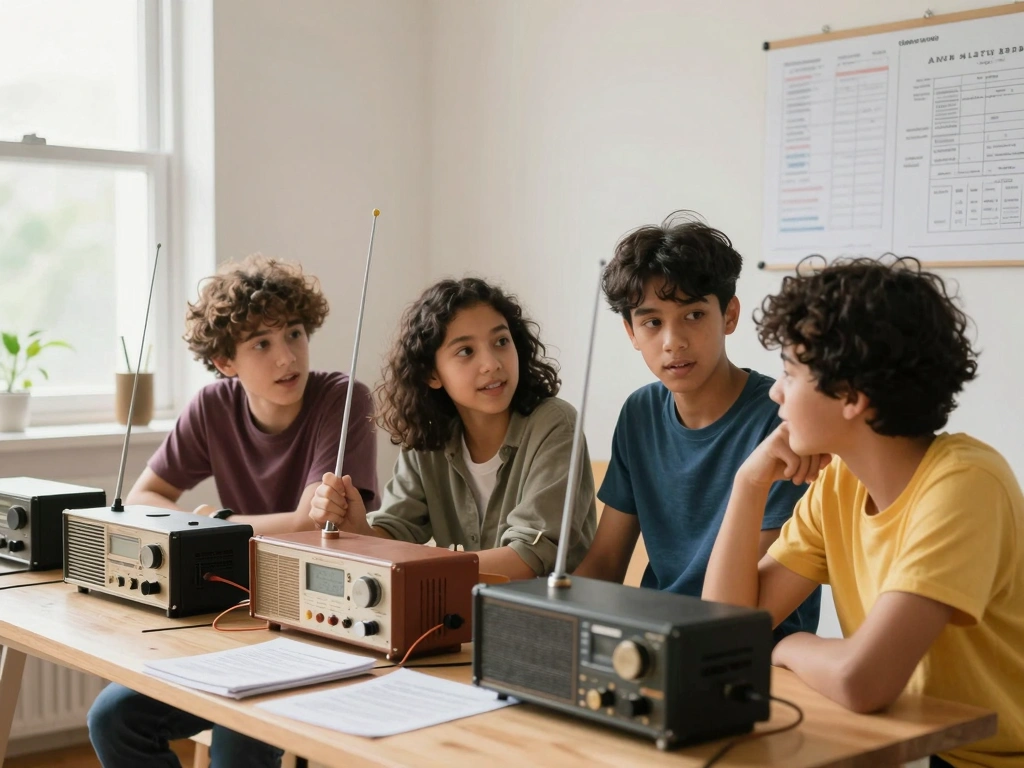
Childhood is a critical period for development, and screen-free toys have a profound impact on various aspects of growth. One significant benefit of these toys is their ability to foster social interactions. Unlike virtual interactions, physical play with toys encourages children to engage with peers, enhancing communication, collaboration, and conflict resolution skills. Moreover, toys cater to various aspects of learning, including cognitive and emotional development.
How Toys Enhance Physical Skills
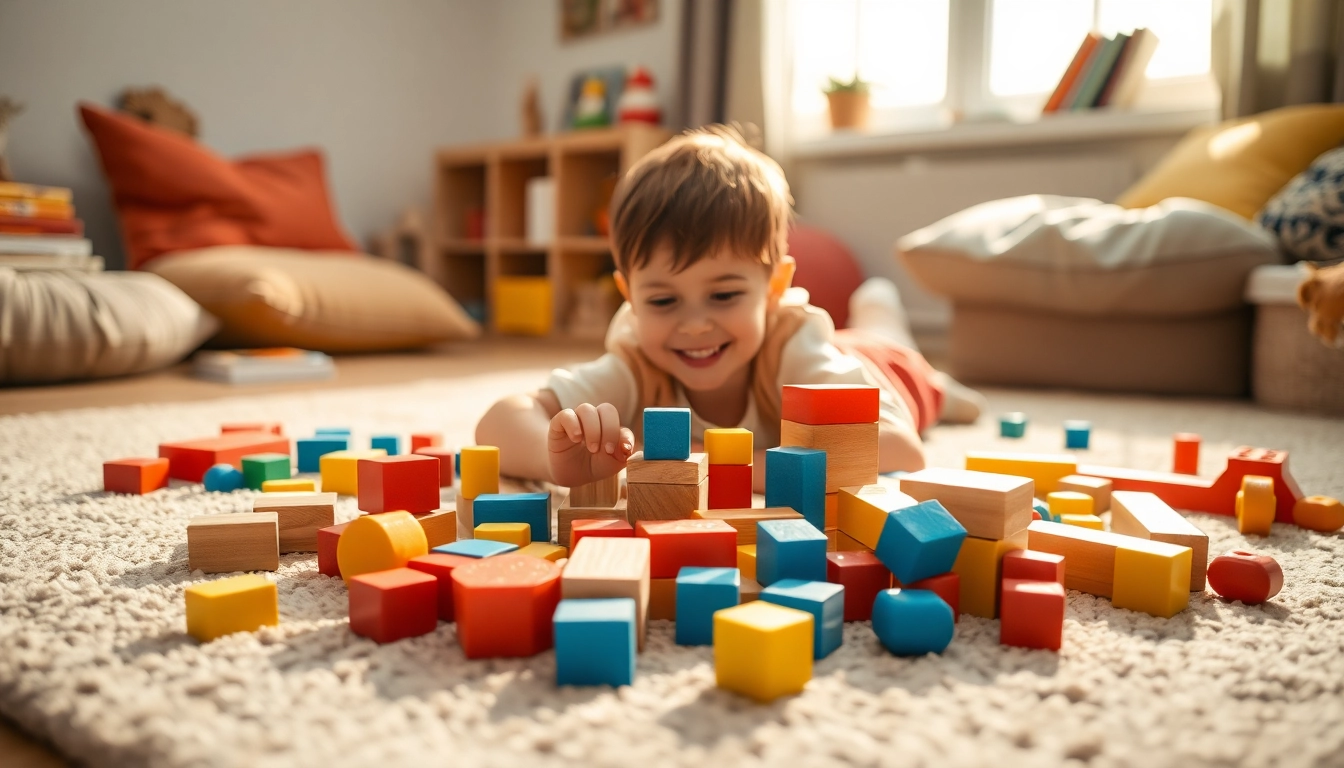
Screen-free toys offer hands-on experiences that significantly improve a child's fine and gross motor skills. Building blocks, for example, require gripping, stacking, and balancing, all of which play a vital role in developing hand-eye coordination. Other toys encourage movement, such as balls and ride-on vehicles, helping to strengthen larger muscle groups. Through play, children not only refine their physical skills but also build confidence in their abilities.
Promoting Creativity and Imagination
The best screen-free toys are those that leave room for imagination. Toys like art supplies or building sets offer children the opportunity to create their own narratives and designs, enhancing their creative thinking. Such play not only entertains but also drives intellectual growth by allowing children to experiment, innovate, and solve problems creatively.
Top Picks for Screen-Free Toys
Best Wooden Building Sets
Wooden building sets are timeless toys that provide endless possibilities for play. They foster creativity and critical thinking as children create structures, vehicles, or entire worlds. The natural material is safe and durable, making it an excellent investment. Popular designs include blocks of various shapes and interlocking systems that challenge children to think spatially. The tactile nature of wood also creates a sensory experience that enhances focus and engagement.
Creative Arts and Crafts Supplies
Arts and crafts supplies are fundamental tools for stimulating creativity. Items such as colored papers, non-toxic paints, markers, and clay allow children to express themselves artistically. Crafting activities also promote fine motor skills and hand dexterity while providing opportunities for children to explore concepts like color mixing and material textures. Art projects can be themed around seasons or stories, further engaging their interest.
Engaging Puzzles and Games
Puzzles and strategy games challenge children’s cognitive abilities while providing fun. Working on a puzzle improves problem-solving skills, encourages perseverance, and promotes social interaction when done in groups. Similarly, games that require strategic thinking or memory boost cognitive coherence, leading to better learning outcomes in other areas, such as mathematics and language.
How to Choose the Right Screen-Free Toys
Age-Appropriate Options
When selecting toys, it’s crucial to consider the child's age. Toys designed for younger children often focus on sensory development and basic motor skills, while those for older kids can incorporate more complex challenges that encourage critical thinking. Understanding developmental milestones can guide parents in choosing toys that not only entertain but also promote appropriate growth.
Safety and Materials Considerations
Safety should always be a top priority in selecting toys. Parents should opt for products made from non-toxic, durable materials. Wooden toys, for instance, are generally safer than plastic ones, which can contain harmful chemicals. Additionally, checking safety certifications and age recommendations can prevent accidents and ensure the toys are suitable for a child’s maturity level.
Balancing Variety and Engagement
It’s important to strike a balance between having a variety of toys and ensuring that each is engaging. An overabundance of options can lead to distractions, while too few can limit creativity. Curating a selection of toys that offers different modes of play—such as physical, artistic, and cognitive—can sustain interest and develop a range of skills.

Combining Screen-Free Toys with Play Ideas
Creative Playtime Activities
Parents can enhance the play experience by incorporating structured activities alongside screen-free toys. For example, setting up a treasure hunt using building blocks or crafting supplies can provide a fun twist, merging imaginative play with physical activity. Such activities not only make playtime enjoyable but also instill teamwork and negotiation skills as children collaborate to solve challenges.
Incorporating Educational Themes
Simplifying educational themes into play can significantly amplify learning outcomes. Instead of traditional lessons, children can incorporate math through construction with blocks or science by observing how materials behave during art projects. Making connections between play and education fosters a love for learning and promotes retention in a natural and engaging way.
Family-Friendly Games and Collaborations
Family involvement in children’s play is essential for nurturing relationships and learning. Organizing family game nights centered around screen-free toys encourages bonding and collaboration. Such interactions demonstrate to children the importance of teamwork and communication skills, enriching their social development and relationships with family members.
Frequently Asked Questions About Screen-Free Toys
What are the benefits of screen-free play?
Screen-free play encourages creativity, enhances fine motor skills, and improves focus, promoting holistic child development and social interaction.
How do I choose safe toys for my child?
Look for toys made from non-toxic materials and ensure they comply with safety standards. Regularly inspect toys for wear and tear.
Can screen-free toys be educational?
Yes, many screen-free toys promote learning through hands-on experiences, enhancing skills in areas such as problem-solving, creativity, and social skills.
How much screen time is recommended for kids?
Experts suggest limiting screen time to a maximum of one hour daily for children aged 2-5, emphasizing the importance of balanced play.
Are there activities to pair with screen-free toys?
Yes, interactive storytelling, DIY projects, and thematic crafts can complement toy play, enriching learning and engagement through diverse activities.