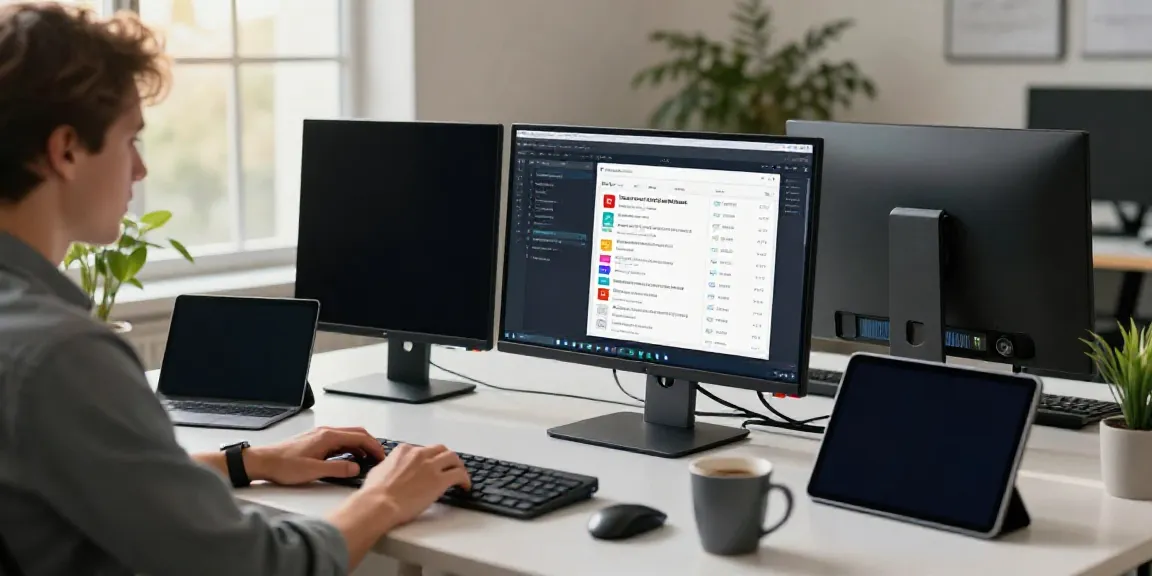
Understanding Remote IT Support for Small Business
What is Remote IT Support?
Remote IT support is a service model that allows IT professionals to assist businesses with their technology needs without being physically present. Through the internet, IT specialists can diagnose, troubleshoot, and even resolve issues on employees' devices, providing a quick and efficient support solution. For small businesses, which often lack dedicated in-house IT resources, remote it support for small business can be a lifeline that enhances operational efficiency and minimizes downtime.
How Remote IT Support Works
The backbone of remote IT support is usually a combination of remote desktop software and communication tools. When a support request comes in, the technician can use remote access tools to log into the user's device securely. From there, they can perform a variety of tasks, such as installing software updates, removing malware, or configuring settings, all with the user watching in real-time. This interaction not only helps solve problems quickly but also empowers users to learn from the experience, thereby reducing future issues.
Benefits of Remote IT Support for Small Business
Small businesses can reap numerous benefits from adopting remote IT support. Primarily, it reduces operational costs associated with maintaining an internal IT team, allowing businesses to allocate resources more effectively. Moreover, the speed of service delivery improves significantly; issues can often be resolved in a fraction of the time compared to on-site support. Additionally, remote IT support strengthens overall system security as qualified specialists use advanced tools to monitor and manage systems proactively.
Key Features of Effective Remote IT Support
24/7 Accessibility and Response Time
One of the most critical features of effective remote IT support is 24/7 accessibility. Issues can arise at any time, and having an IT support service that is available around the clock ensures that problems can be addressed immediately, minimizing disruptions. Quick response times are essential as well, with many businesses aiming for initial communication with the support team within minutes instead of hours.
Customizable Support Plans
Flexibility is a significant advantage of remote IT support. Different small businesses have varying IT needs, which is why the best service providers offer customizable support plans. Whether a company requires full management of their IT infrastructure, occasional troubleshooting, or a mix of both, these plans can be tailored to meet specific requirements, budgets, and growth ambitions.
Robust Security Measures
Security is paramount for any business, especially for small firms that often lack substantial resources to handle potential threats effectively. Effective remote IT support includes robust security protocols, such as encryption during remote sessions, regular system audits, and ongoing monitoring for potential vulnerabilities. This proactive approach helps shield businesses from cyber threats and ensures compliance with relevant regulations.
Implementing Remote IT Support in Your Business
Assessing Your IT Needs
The first step in implementing remote IT support is to assess your current IT needs. This involves an in-depth look at what technology your business relies on, identifying existing weaknesses, and understanding user needs. By pinpointing these aspects, you can tailor a remote support solution that aligns closely with your business goals while addressing any deficiencies in the current setup.
Selecting the Right Service Provider
Choosing the right remote IT support provider is just as crucial as understanding your needs. Seek providers that specialize in servicing small businesses and have a proven track record. Important factors to consider include their response time, service offerings, pricing structures, and customer reviews. Engage in discussions with potential providers to gauge their expertise and how they communicate, as effective communication is key to a successful partnership.
Integrating Support into Your Workflow
Once you’ve selected a remote IT support provider, the next step is seamless integration into your existing workflow. Train your employees on how to use the support system efficiently, ensuring they understand when and how to seek assistance. Establishing clear communication channels and support ticket systems will help facilitate faster responses. Continuous feedback loops should be initiated to improve processes and fine-tune support based on real-world usage.
Common Challenges with Remote IT Support
Technical Difficulties and Solutions
While remote IT support is generally efficient, it can occasionally come with technical hurdles, such as software incompatibilities or network issues. Having clear escalation procedures can help manage such challenges effectively. It’s also beneficial for service providers to have alternative methods for remote access ready to deploy, ensuring that support remains continuous even when primary systems face difficulties.
Ensuring Effective Communication
Effective communication between IT support and business users is vital for successful remote assistance. Misunderstandings can lead to longer resolution times or incorrect solutions. To mitigate this, service providers should focus on clear and structured communication protocols, combining visual aids like screen sharing with verbal explanations. Regular training for users can also enhance their comprehension of IT terminology and processes.
Managing User Expectations
Managing user expectations can be challenging, particularly in scenarios involving prolonged downtimes or complex issues that require time to resolve. Establishing transparent service level agreements (SLAs) helps set clear expectations regarding response times and resolutions. Continual communication throughout the support process is essential to keep all stakeholders informed and reduce frustration.
Measuring the Success of Remote IT Support
Key Performance Indicators (KPIs)
Measuring the effectiveness of remote IT support can be accomplished through carefully chosen key performance indicators (KPIs). Common KPIs include average resolution time, customer satisfaction scores, and the volume of tickets resolved within specific timeframes. Tracking these metrics will provide insights into what's working well and areas needing improvement, helping to refine the support processes.
Feedback and Continuous Improvement
Regular feedback is critical in identifying strengths and weaknesses in remote IT support. Following up with users post-support interaction can yield valuable insights into their experience and satisfaction levels. Establishing a continuous improvement program enables both the business and the service provider to adapt to changing needs, ensuring that the quality of support remains high.
Case Studies of Successful Implementation
Examining real-world case studies of businesses that successfully implemented remote IT support can provide invaluable lessons. These case studies often highlight the challenges faced, solutions applied, and ultimate benefits realized, offering a roadmap for others to follow. Beyond showcasing success stories, they reveal practical insights and strategies that make the implementation process smoother.
Frequently Asked Questions about Remote IT Support
What types of issues can be resolved through remote IT support?
Remote IT support can address a variety of issues, including software installation, troubleshooting hardware problems, resolving network connectivity issues, and managing security protocols, among others.
Is remote IT support safe for handling sensitive data?
Yes, reputable remote IT support providers implement robust security measures such as encryption, multi-factor authentication, and secure access protocols to protect sensitive data throughout the support process.
How quickly can remote IT support respond to my needs?
Response times may vary by provider and contract terms, but many remote IT support services aim to respond to requests within minutes, depending on the urgency of the issue.
Can remote IT support service be customized for my business needs?
Absolutely! Many remote IT support providers offer customizable solutions that can be tailored to meet the specific needs and budget of your business.
What should I do if remote support isn’t solving my problem?
If remote support isn’t resolving your issue, communicate directly with your provider about the challenges faced. They may escalate the matter or suggest further measures to resolve it efficiently.
Contact Information
Call Us: 0333 015 2615Email: [email protected]Address: Fareham Innovation Centre, PO13 9FU