Understanding the Role of Coalition Churches in Modern Communities
In today’s ever-evolving landscape, coalition churches play a pivotal role in fostering community, bridging gaps, and addressing the needs of diverse populations. These churches embody a unique approach to faith and service by bringing together multiple congregations and organizations to create a collective impact. When exploring options, coalition church initiatives often provide comprehensive insights into collaborative worship and community engagement.
What is a Coalition Church?
A coalition church refers to a collaborative network of congregations that unite to share resources, ideas, and mission efforts. Rather than competing against one another, these churches pool their strengths to address local community needs, creating a robust spiritual and social platform. Coalition churches can vary in composition—from ecumenical alliances of various denominations to interfaith collaborations aimed at promoting peace and understanding.
Historical Significance and Growth Trends
The concept of coalition churches is not entirely new; it has roots in early Christian traditions where communities would come together for worship and mutual support. However, recent decades have witnessed a resurgence in this model as congregations face declining membership and financial resources. Studies indicate that coalition churches are on the rise, particularly in urban areas where demographic changes necessitate a more unified approach to community engagement.
Impact on Local Community Development
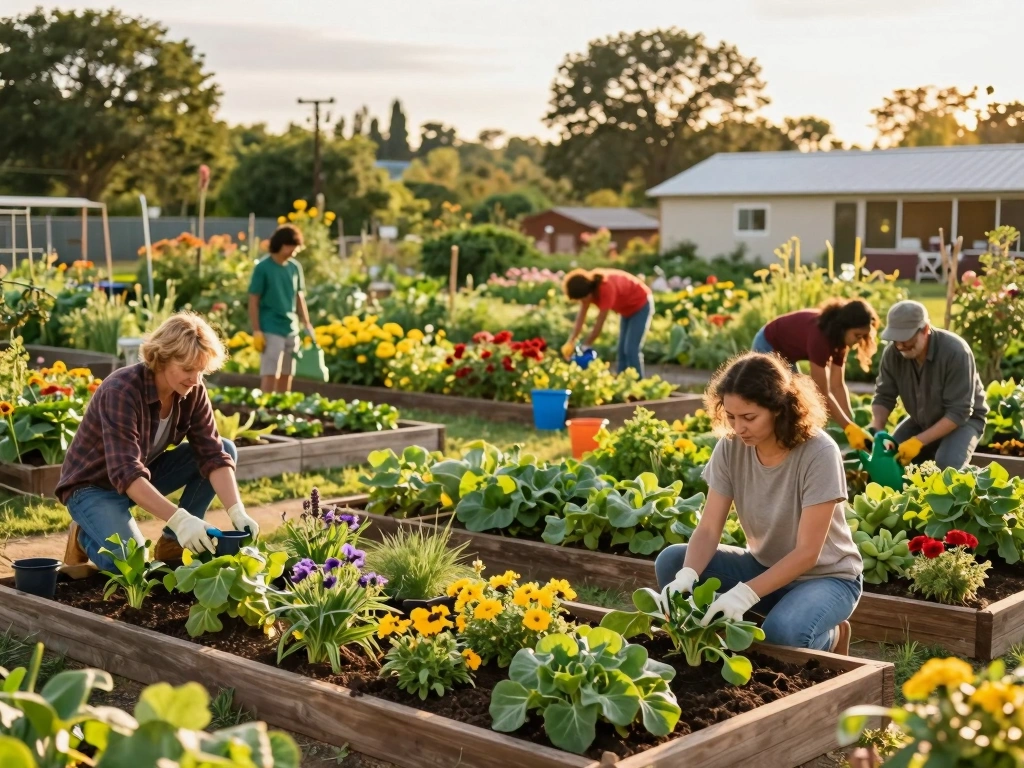
Coalition churches have a profound impact on local community development. By working together, these churches can launch initiatives that address social issues such as poverty, hunger, and education. They often serve as resource hubs, providing food pantries, counseling services, and community gardens. This collaborative approach not only enhances their outreach but also strengthens the bonds among congregations and the broader community.
Benefits of Joining a Coalition Church
Fostering Community and Connection
One of the primary benefits of joining a coalition church is the sense of community and connection it fosters among members. Individuals often find that being part of a larger community enables deeper relationships and a sense of belonging. In coalition settings, congregants can engage in various activities, workshops, and social events that promote unity and shared goals.
Access to Shared Resources and Support
Coalition churches offer access to shared resources that individual congregations may struggle to provide on their own. These can include educational materials, financial assistance, and volunteer networks. By pooling their resources, coalition churches can enhance the quality of their programs and the effectiveness of their outreach efforts, making a more significant impact on the community.
Collaborative Outreach Initiatives
Through collaborative outreach initiatives, coalition churches can tackle community challenges more effectively. For example, they can coordinate food drives, health fairs, and charity events that draw on the strength of multiple congregations. This collective action not only amplifies their charitable efforts but also raises awareness about important social issues within the community.
Challenges Facing Coalition Churches Today
Competition with Individual Congregations
Despite their advantages, coalition churches face competition from individual congregations that may offer more personalized interactions or traditional worship experiences. These individual churches often have established identities that can be appealing to potential members. Coalition churches must navigate this landscape carefully, finding ways to emphasize their unique value propositions.
Adapting to Changing Demographics
As demographics shift in many communities, coalition churches must be proactive in adapting their messages and outreach strategies. Engaging younger generations and diverse cultural groups presents both opportunities and challenges. Churches that embrace inclusivity and diversity within their congregations will likely thrive, but this requires intentional effort and innovation.
Navigating Financial Sustainability
Financial sustainability remains a significant challenge for coalition churches, especially during periods of economic downturn. Many congregations rely on donations and grants, which can fluctuate. To maintain their operations, coalition churches must develop sustainable funding strategies, such as hosting events, establishing endowments, or exploring partnerships with local businesses.
Successful Strategies for Coalition Churches in 2026
Innovative Worship Experience Enhancements
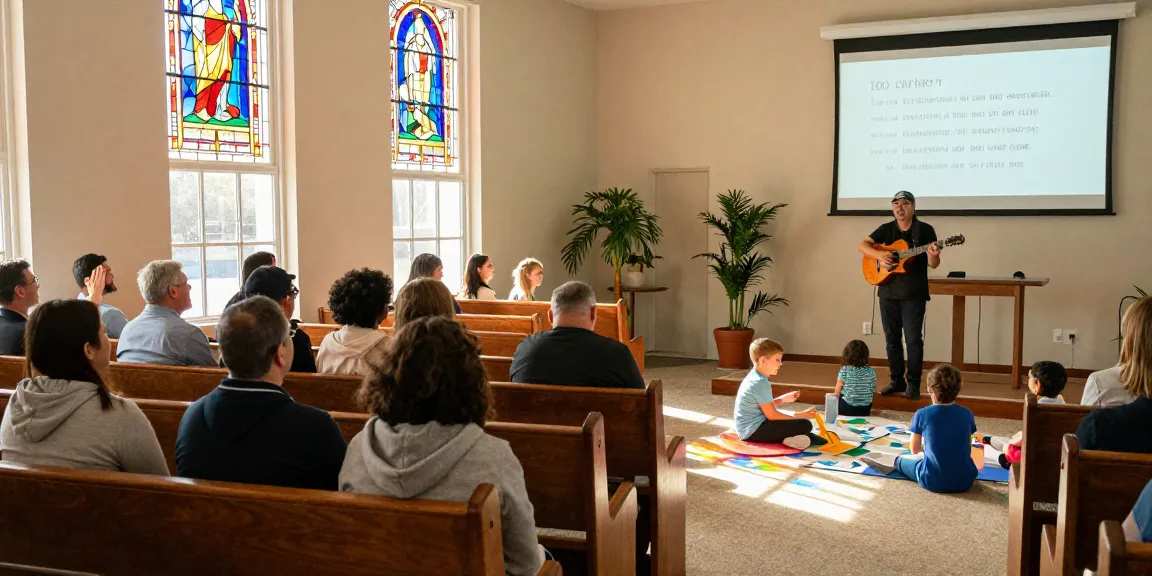
To attract and retain members, coalition churches are encouraged to enhance their worship experiences. This can involve integrating multimedia, interactive elements, and community-oriented themes into services. Engaging worship experiences help congregants feel more connected and invested in their faith journey.
Leveraging Technology for Engagement
In an increasingly digital world, coalition churches can leverage technology to foster engagement. Utilizing social media, mobile applications, and online platforms for virtual services can expand their reach and connect with members who may not attend in person. This technological integration can also facilitate communication and collaboration among coalition partners.
Building Stronger Community Partnerships
Building partnerships with local organizations, businesses, and civic groups can bolster the impact of coalition churches. These collaborations can lead to joint initiatives that address community needs, such as healthcare access or youth programs. By aligning their missions with local stakeholders, coalition churches can enhance their relevancy and support within the community.
Future Trends for Coalition Churches
Embracing Inclusivity and Diversity
The future of coalition churches hinges on their ability to embrace inclusivity and diversity. Successful coalition churches will prioritize creating welcoming environments for all individuals, regardless of their backgrounds. This cultural competency is essential in addressing the needs of increasingly diverse populations and enhancing community connections.
Shifts in Worship Practices and Formats
As societal preferences evolve, coalition churches may need to adapt their worship practices and formats. This could include more casual services, varied worship styles, or community-driven events that appeal to broader audiences. Innovating worship experiences may be key to attracting new members and maintaining engagement.
Long-Term Sustainability and Growth Strategies
To thrive in the long term, coalition churches must implement growth strategies that focus on sustainability. This involves not only financial strategies but also community engagement plans that ensure relevance and commitment. Investing in leadership development, outreach programs, and community partnerships will be vital for sustained growth.
What unique programs do coalition churches offer?
Coalition churches often develop unique programs tailored to the needs of their communities. These may include mentorship initiatives, language classes for immigrants, or arts and culture outreach that showcases local talent. By offering distinctive programs, coalition churches can attract a diverse audience and create a lasting impact.
How can individuals get involved in a coalition church?
Individuals interested in becoming involved with a coalition church can start by attending services and participating in community events. Many coalition churches encourage members to join committees or volunteer for outreach initiatives, allowing them to contribute their skills and passions directly. Engaging with the coalition church's mission can foster deeper connections and community involvement.
What are the financial supports available for coalition churches?
Financial supports for coalition churches may come from various sources, including grants from religious organizations, community foundations, and local businesses. Additionally, some coalition churches establish shared financial reserves or fundraising initiatives to ensure sustainability. Understanding these financial avenues can help coalition churches to thrive.
How do coalition churches address community challenges?
Coalition churches address community challenges by leveraging their collective resources and expertise. They often conduct needs assessments to identify pressing issues, allowing them to design targeted programs and outreach initiatives. By collaborating with other organizations and stakeholders, coalition churches can create comprehensive strategies to tackle complex social problems.
What does the future hold for coalition churches?
The future for coalition churches appears promising, provided they remain adaptable and responsive to community needs. By prioritizing collaboration, inclusivity, and innovative practices, coalition churches can continue to play a vital role in shaping the spiritual and social landscapes of their communities.