Understanding Aging Perceptions
Aging is a universal experience, yet our perceptions of age can vary dramatically based on a multitude of factors, including culture, personal experiences, and societal standards. The question, "how old do I look?" has become increasingly relevant in a world dominated by social media, where images often dictate our self-perception and social standing. This article delves into the various elements that shape our understanding of age, the science behind how age is estimated, and the advancements in technology that allow us to explore our perceived age in a fun and engaging way.
What Influences Our Perception of Age?
Factors influencing our perception of age can range from biological and genetic elements to psychological and social influences. People often compare themselves to societal ideals of beauty and youth, causing discrepancies between chronological and perceived age. Research has shown that individuals often underestimate or overestimate their age based on their emotional state and lifestyle choices. Additionally, social media plays a significant role in shaping perceptions of age, as users curate images that may not reflect their true appearance.
Common Misconceptions about Aging
Many misconceptions surround aging, one being the belief that aging is purely a negative process. In reality, aging can bring wisdom, experience, and a deeper understanding of oneself. Another common myth is that genetics alone determine how we age. While genetics is a significant factor, lifestyle choices—such as diet, exercise, and stress management—play a crucial role in how we perceive and experience aging.
How Culture Shapes Age Perception
Cultural beliefs significantly impact how individuals perceive age. In some cultures, aging is viewed with respect, as older individuals are seen as wise and experienced. In contrast, other cultures may emphasize youth and beauty, leading to negative attitudes towards aging. This cultural lens affects not only personal perceptions but also societal norms around beauty and aging.
The Science Behind Age Estimation
The rise of technology has allowed for advanced methods of estimating perceived age. Drawing on the intersections of biology, psychology, and artificial intelligence (AI), we can better understand how our faces reveal our age. One innovative resource for exploring this concept is how old do I look, which utilizes AI to analyze facial features and provide users with insights about their perceived age.
How AI Analyzes Facial Features
AI technology has made significant strides in age estimation. By utilizing algorithms that process images, AI can identify specific facial features known to correlate with age, such as wrinkles, skin texture, and pigmentation changes. Most systems employ deep learning techniques, training on vast datasets of human faces categorized by age to enhance accuracy.
Common Factors Affecting Facial Age
Several factors can influence how old one appears, including:
- Skin Health: The quality and condition of the skin, impacted by hydration and sun exposure, significantly influence perceived age.
- Facial Structure: Changes in fat distribution and tissue elasticity over time can contribute to age perception.
- Facial Expressions: Repetitive facial movements can lead to dynamic wrinkles, affecting how old someone looks.
The Role of Genetics and Lifestyle in Aging
While external factors are significant, genetic predisposition can also dictate aging patterns. Some individuals may have a genetic advantage that allows them to maintain a youthful appearance longer. However, lifestyle choices—such as diet, physical activity, and stress management—are crucial in determining overall health and perceived age. Adopting healthy habits can significantly alter how one's age is perceived by others.
Using Apps to Discover Your Age
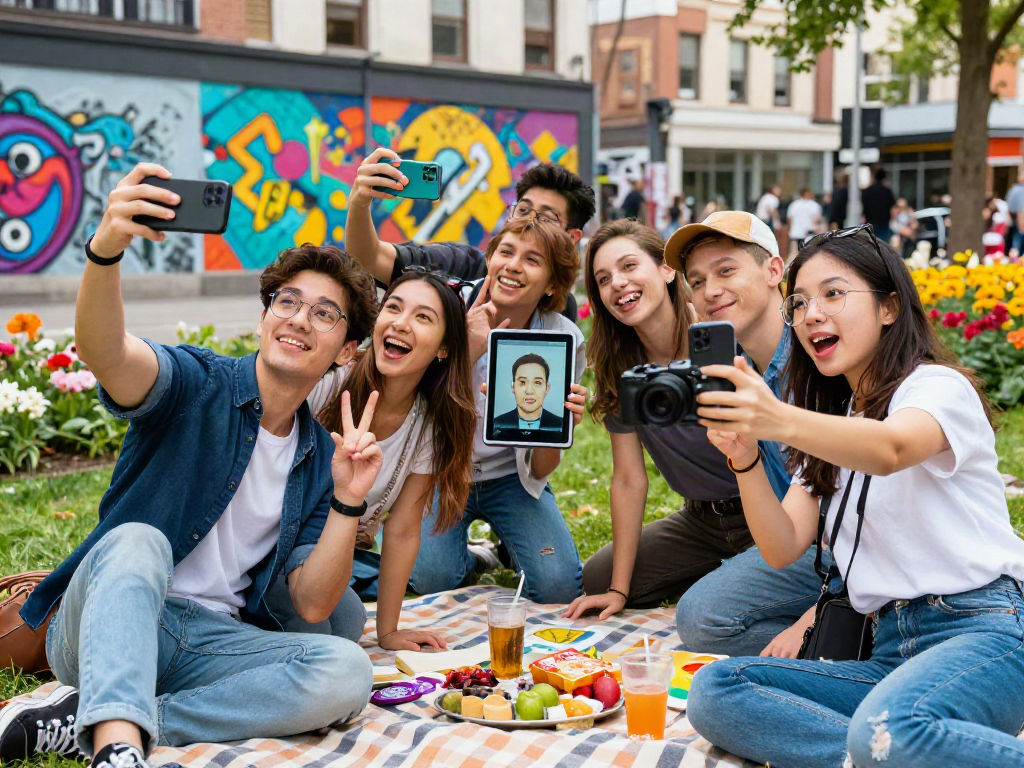
Mobile applications have emerged as popular tools for determining perceived age. These apps leverage AI technology to analyze facial features and provide users with instant feedback on their perceived age, making the process both entertaining and informative.
Top Apps to Determine How Old You Look
Numerous apps are available to help users discover how old they appear. Some noteworthy options include:
- FaceAge.ai: An AI-powered tool that provides a detailed facial age estimation based on user-uploaded photos.
- Fotor: A user-friendly platform that allows for quick uploads and age estimation without the need for sign-up.
- BeautyPlus: This app not only estimates age but also provides beauty enhancements tailored to the user's facial features.
Benefits and Limitations of AI Age Guessers
While AI age guessers are innovative and often accurate, they come with limitations. The benefits include:
- Instant Feedback: Users receive immediate results, making it a fun tool for entertainment.
- Easy to Use: Most applications require minimal input, making them accessible to a wide audience.
However, potential limitations include:
- Misinterpretation: AI may not always consider individual variations, leading to results that might not reflect reality.
- Privacy Concerns: Users should be cautious about uploading personal images, especially regarding the app's data usage policies.
User Experiences and Feedback
User feedback on these apps ranges from positive to skeptical. Many users express enjoyment and surprise at the results, while others question the accuracy of AI estimations. Incorporating user experiences can provide further insight into the credibility of these tools and their effectiveness in portraying age accurately.
Real-World Applications of Age Estimation
Age estimation technology serves various purposes beyond entertainment. Understanding perceived age can have implications in several industries, notably in social media, beauty, and health.
Impact on Social Media and Self-Image
As social media platforms heighten the focus on image and appearance, users often find themselves questioning their looks in relation to others. Age estimation tools can impact self-esteem and body image, pushing individuals toward more curated content that aligns with societal beauty standards.
Aging in The Beauty Industry: Marketing Trends
The beauty industry taps into age perception heavily. Brands often market products that claim to combat aging, appealing to consumers' desires for youthful appearances. As technology advances, personalized marketing strategies may include leveraging AI insights into customers' perceived ages, tailoring product recommendations accordingly.
How Age Estimation Influences Health and Wellness
Understanding perceived age can also play a role in health assessments. By recognizing how others view them, individuals may be prompted to adopt healthier lifestyles. Furthermore, professionals in health and wellness can utilize age estimation insights to promote preventive care strategies tailored to specific age demographics.
The Future of Age Estimation Technology
As technology continues to evolve, so too will the methods used to estimate age. Emerging trends indicate a growing integration of AI and machine learning in age recognition technologies, enhancing their accuracy and applicability.
Emerging Trends in AI Age Recognition
Future advancements may lead to more nuanced age estimation capabilities, considering diverse factors such as ethnicity, gender, and environmental influences. Enhanced algorithms could provide users with a more accurate reflection of their biological age compared to chronological age.
Potential Ethical Considerations
With the rise of AI comes a set of ethical considerations, particularly regarding privacy and data security. Users must be aware of how their data is stored and used, raising questions about consent and ownership of personal images.
Looking Ahead: What to Expect by 2026
By 2026, we can expect substantial improvements in the precision and reliability of age estimation technologies. As users become more discerning about privacy, transparency in how applications handle data will become increasingly important. Innovations such as live age estimation during video calls may transform how people interact with others online, creating even broader implications for social media and virtual communication.
FAQs
How accurate is AI in determining how old I look?
The accuracy of AI age estimators can vary, largely depending on the underlying algorithms and the quality of the images uploaded. While many tools provide reasonably accurate estimations, they should be taken with a grain of salt, as individual features can lead to variability.
What factors can affect the AI's age estimation?
Several factors can impact age estimation, including lighting conditions, image resolution, and any use of filters or edits on the uploaded photo. Facial variations unique to each individual also play a significant role.
Are there privacy concerns with using age estimation apps?
Yes, privacy concerns are prevalent among users of age estimation apps. It's essential to review the privacy policies of any applications, particularly regarding how images are stored and used.
Can age estimation technology be used for health assessments?
Age estimation technology has potential applications in health assessments, providing insights into lifestyle choices and overall health. By interpreting perceived age alongside other health metrics, professionals may better tailor care recommendations.
How does age perception differ across cultures?
Age perception varies significantly across cultures, influenced by societal values regarding youth and aging. Some cultures celebrate elders, while others may place a premium on youth, affecting how individuals view themselves and others as they age.