Understanding the Genie Boom
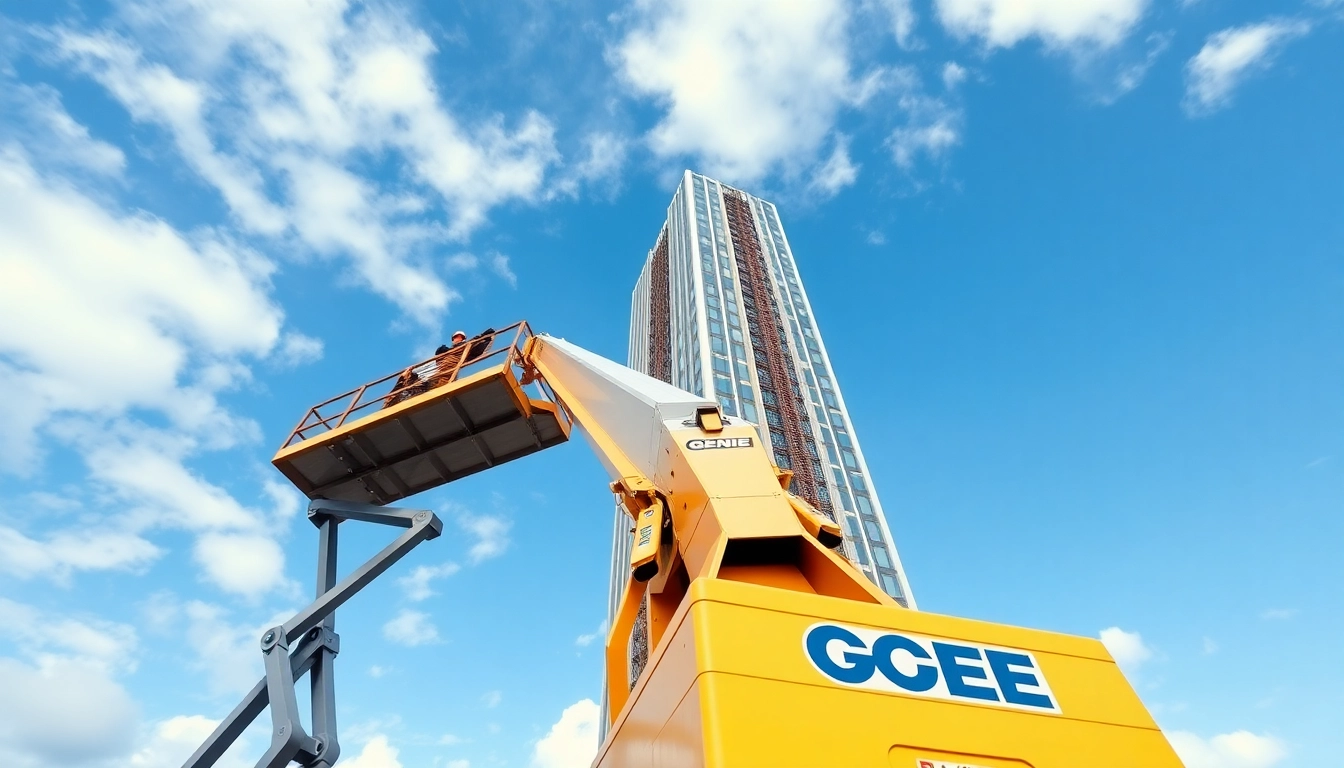
The genie boom is an innovative piece of aerial equipment that provides a safe and effective solution for working at height. This lifting device is widely used in various industries, including construction, maintenance, and film production, due to its versatility and efficiency. It is designed to deliver both vertical and horizontal reach, making it easier to access hard-to-reach areas and improve productivity on job sites.
What is a Genie Boom?
A Genie boom is a type of aerial lift that comes in several configurations, mainly articulated and telescopic. It allows operators to reach high altitudes while maintaining stability and control. The key distinction between the models lies in their mechanisms; telescopic booms extend vertically and have a more linear reach, while articulated booms can navigate around obstacles and are ideal for working over and around structures. Both types enhance overall job efficiency, which is essential in any work environment requiring elevated access.
Types of Genie Booms and Their Uses
Genie booms are categorized mainly into articulated boom lifts and telescopic boom lifts. Understanding the differences can help you select the appropriate type for your project.
- Articulated Boom Lifts: These models feature a jointed arm that can navigate around obstacles with ease. They are ideal for reaching up and over obstacles, making them suitable for applications in construction work, maintenance, and film production.
- Telescopic Boom Lifts: These booms extend straight up, allowing for higher vertical reach and longer horizontal outreach. They are best for jobs that require lifting heavy equipment or employees in straight vertical paths, such as telecommunications and powerline work.
Key Features and Benefits of a Genie Boom
Investing in a Genie boom offers numerous advantages that boost work safety, efficiency, and accessibility, including:
- Enhanced Reach: Genie booms provide significant vertical and horizontal distance, enabling operators to access inaccessible work areas easily.
- Safety Features: Many models come equipped with safety features like overload sensors and stabilizing outriggers, providing additional safety for operators at height.
- Versatility: Suitable for various applications, from construction to maintenance and beyond, Genie booms can handle multiple tasks across different industries.
- Compact Designs: Some models are designed to easily fit into tight spaces, making them ideal for urban areas where maneuverability is essential.
Choosing the Right Genie Boom for Your Project
Selecting the appropriate Genie boom requires a thorough understanding of your project requirements and site conditions. Here are essential factors to consider:
Factors to Consider for Selecting a Genie Boom
Your choice of a genie boom should reflect the specific job needs and site conditions. Key factors include:
- Height Requirements: Determine the maximum height you need to reach. Telescopic booms typically offer greater height compared to articulated versions.
- Weight Capacity: Assess the load the boom will carry, including any tools or personnel. Make sure to choose a model with a capacity that exceeds your maximum expected load.
- Job Scope: Some projects may require horizontal outreach to maneuver around obstacles, while others may focus on vertical reach.
- Terrain: Evaluate the job site terrain. Articulated booms might be better suited for uneven surfaces, while telescopic types can perform well on stable ground.
Assessment of Site Requirements for Genie Boom Use
Before deploying a Genie boom, assess your site’s requirements carefully:
- Space Constraints: Consider the width of access points and overhead obstructions such as utility lines or trees. Choose a model that fits within these parameters.
- Ground Conditions: Ensure the ground can support the weight of the equipment. Level and stable ground is essential for safe operation.
- Environmental Concerns: Be aware of weather conditions that may influence the operation of the lift. Wind and heavy rain can pose risks when operating at height.
Comparing Genie Boom Types
When comparing different types of Genie booms, consider the following differences:
FeatureArticulated BoomTelescopic BoomReach TypeUp and over obstaclesStraight vertical reachLoad CapacityVaries widelyGenerally higherBest Use CaseHard-to-reach areasHigh elevation tasks
Operating a Genie Boom Safely
Safety during the operation of a Genie boom is paramount. Following safety guidelines ensures not only compliance but protects workers against accidents.
Essential Safety Tips for Genie Boom Operation
- Pre-Operation Training: Make sure operators receive thorough training and understand the specific model they will be using.
- Use Personal Protective Equipment (PPE): Always wear appropriate PPE, including hard hats, harnesses, and sturdy footwear.
- Inspect Equipment: Conduct a pre-operation inspection to check for any leaks, cracks, or unusual wear before using the boom.
- Maintaining Communication: Establish clear communication signals between operators and ground personnel to facilitate safe operation.
Pre-Operational Checklist for Genie Boom
A thorough pre-operation checklist should be followed before using any Genie boom:
- Check fluid levels (hydraulic and fuel).
- Inspect safety devices (guards, signs, lights).
- Examine the condition of tires and wheels.
- Confirm the functionality of all controls.
- Assess ground stability where the boom will be used.
Common Operating Mistakes to Avoid
Awareness of common operational mistakes can significantly enhance safety:
- Neglecting local regulations regarding working at heights.
- Overloading the boom beyond its rated capacity.
- Ignoring weather conditions before operations; wind can destabilize the lift.
Maintenance of Genie Boom Equipment
Regular maintenance is crucial for ensuring the longevity and safe operation of Genie booms.
Regular Maintenance Practices for Genie Boom
Establish a maintenance schedule based on the manufacturer's recommendations and usage patterns:
- Frequent inspections and functional tests.
- Changing hydraulic fluids and filters as recommended.
- Checking batteries and electrical components regularly.
Signs of Wear and Tear in Genie Booms
Operators should be vigilant for signs indicating maintenance needs, including:
- Leaking fluids around joints or hoses.
- Uneven movement during operation, such as jerky motion.
- Corrosion or damage on structural components.
How to Troubleshoot Common Issues with Genie Boom
When issues arise, troubleshooting the problem can prevent prolonged downtime:
- Identify and replace any faulty hydraulic hoses or fittings.
- Reset electronic controls if they become unresponsive.
- Consult the manual for specific error codes and corrective actions.
Future Trends in Genie Boom Technology
The world of aerial lifts is evolving rapidly, with new technologies shaping operations significantly.
Innovations Shaping the Future of Genie Boom
Emerging trends include the integration of advanced technologies:
- Smart Technology: Internet of Things (IoT) integration for real-time monitoring and diagnostics.
- Environmental Considerations: Electric models reducing emissions and noise on job sites.
Impact of Technology on Genie Boom Operations
Technological advancements are expected to enhance efficiency, improve safety features, and streamline operations. Enhanced data analytics for predictive maintenance will also play a significant role in minimizing downtime.
Predicting the Next Developments in Genie Booms
The future may see even more compact designs, increased load capacities, and greater emphasis on automation and remote control features, facilitating safer and more efficient operations.
Frequently Asked Questions (FAQs)
What is a Genie boom lift?
A Genie boom lift is a type of aerial lift that provides vertical and horizontal access to hard-to-reach areas, suitable for various industries.
How high can a Genie boom lift go?
Genie boom lifts vary by model but can commonly reach heights from 30 to over 180 feet, depending on the boom type.
Are Genie booms suitable for outdoor use?
Yes, many Genie booms are designed for both indoor and outdoor operations, although site conditions and safety must be considered.
How do you operate a Genie boom lift safely?
Ensure operators are trained, conduct pre-operational checks, and follow safety protocols such as wearing personal protective equipment.
What maintenance does a Genie boom require?
Regular inspections, fluid changes, and assessments of wear and tear are essential for keeping a Genie boom in safe and efficient working condition.