Understanding the Telehandler
What is a telehandler?
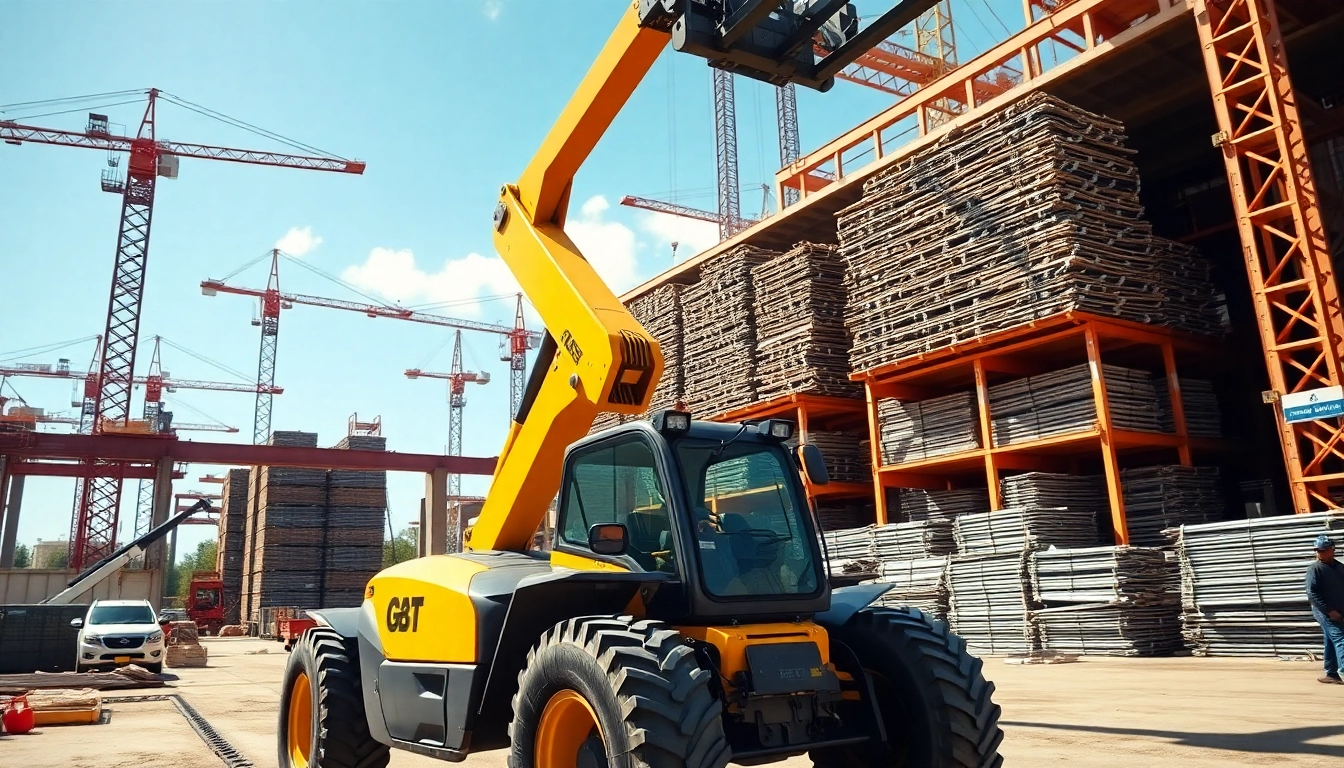
A telehandler, short for telescopic handler, is a versatile piece of construction equipment that combines the features of a crane and a forklift. It is designed to lift and move heavy materials at various heights and across distances. Equipped with a telescopic boom, a telehandler can extend forward to reach high construction sites or maneuver around obstacles. Its versatility makes it suitable for various tasks, from lifting pallets of bricks to moving bulky equipment.
Key Features and Specifications
Telehandlers boast several key features that enhance their functionality:
- Telescopic Boom: The extended reach allows for the lifting of heavy loads above and across obstacles.
- Load Capacity: Ranges typically from 4,000 to 12,000 lbs, depending on the model and specifications.
- Versatile Attachments: Customizable with forks, buckets, and grapples, making them adaptable to a variety of tasks.
- All-Terrain Capability: Many models come equipped with 4WD and off-road tires, enabling operation on rough terrain.
- Operator Cab: Enclosed, ergonomically designed cabs ensure operator comfort and visibility.
Common Applications in Construction
Telehandlers are integral in various construction applications, such as:
- Material Handling: Moving bricks, concrete blocks, and other construction materials on site.
- Site Preparation: Lifting equipment for digging and grading operations.
- Roofing: Assisting in lifting and placing heavy roofing materials.
- Landscaping: Transporting large plants and soil bags.
- Demolition: Helpful for lifting debris and assisting with tear-down operations.
Selecting the Right Telehandler for Your Needs
Factors to Consider When Choosing
When selecting the ideal telehandler for your projects, consider the following factors:
- Job Type: Different jobs may require different lifting capacities and attachments. Assess the specific needs of your site.
- Height Requirements: Determine how high you need to lift loads. This will impact the model's reach.
- Weight Capacity: Calculate the maximum weight of the loads you intend to handle for proper selection.
- Terrain: Consider the type of terrain on which the telehandler will operate; some models are better suited for smooth surfaces, while others excel on rough ground.
Telehandler Capacity and Reach Explained
Understanding the varying capacities and reach of telehandlers is crucial for optimal use:
Telehandler capacity refers to how much weight the machine can safely lift at a particular load center. As the boom extends, the capacity decreases. Most telehandlers have a chart indicating their lifting capacity at various heights and distances. Understanding this relationship ensures safety and efficiency, preventing overloading which can compromise the equipment and pose dangers to operators and nearby workers.
Rental vs. Purchase: Which is Better?
Deciding whether to rent or purchase a telehandler depends on several factors:
- Frequency of Use: If telehandlers are only needed for a few projects, renting can be more cost-effective.
- Maintenance Costs: Owning a telehandler entails ongoing maintenance and repair costs, while rental companies often handle these through their service agreements.
- Storage and Transport: Consider logistics; owning requires storage and transport solutions, while renting eliminates these concerns.
- Flexibility: Renting allows access to the latest models and technology without long-term investment.
Operating a Telehandler Safely
Safety Protocols for Operators
Safety is paramount when operating a telehandler. Operators should adhere to specific protocols:
- Pre-Operational Checks: Always inspect the equipment before use, ensuring all components are in working order.
- Load Management: Be aware of load limits and ensure even weight distribution.
- Use Proper Attachments: Select the correct attachment for the job to promote safety and efficiency.
- Visibility: Maintain clear visibility and avoid blind spots by using spotters when navigating tight spaces.
- Training: Ensure that all operators are trained and certified in telehandler operation.
Common Mistakes to Avoid
While operating a telehandler, certain mistakes should be avoided to ensure safety and efficiency:
- Ignoring the Load Chart: Always consult the load chart to prevent overload.
- Improper Boom Extension: Extending the boom without understanding its capacity can lead to accidents.
- Neglecting Maintenance: Failing to keep the equipment well-maintained can lead to unexpected breakdowns.
- Operating on Uneven Terrain: Exercise caution and utilize stabilizers when working on sloped or uneven surfaces.
Regular Maintenance Tips
To prolong the lifespan and efficiency of a telehandler, adhere to these maintenance tips:
- Daily Inspections: Conduct daily checks on controls, brakes, tires, and fluids.
- Regular Cleaning: Keep the telehandler clean to prevent dirt buildup that can affect mechanics.
- Scheduled Servicing: Follow the manufacturer’s maintenance schedule for oil changes and part replacements.
- Hydraulic System Care: Inspect hydraulic hoses regularly for wear and replace them as needed.
Maximizing Productivity with Telehandlers
Planning Your Workflow
Optimizing workflow with a telehandler involves strategic planning:
Create a layout for the job site that minimizes travel distance for the telehandler. Organizing materials logically can streamline the lifting and transporting processes. Implement a schedule that coordinates telehandler operations with other equipment to prevent bottlenecks. Clear communication among team members will also enhance workflow and reduce downtime.
Telehandler Attachments and Their Uses
Telehandlers can be outfitted with various attachments to enhance their utility:
- Forks: Ideal for lifting pallets of materials.
- Buckets: Useful for scooping and moving loose materials like sand and dirt.
- Grapples: Excellent for grasping bulky items such as logs or debris.
- Work Platforms: Provide safe access for workers to elevated areas.
Training Staff for Optimal Performance
Proper training is essential for maximizing the use of a telehandler:
Provide comprehensive training sessions covering operation procedures, safety regulations, and maintenance practices. Utilize certified trainers who can instruct on both theoretical knowledge and hands-on experience. Encourage regular refresher courses to keep operators updated on the latest techniques and safety measures.
Future Trends in Telehandler Technology
Innovations to Watch For
The telehandler industry is evolving, with numerous trends shaping future equipment:
Innovations in telehandler technology include improved fuel efficiency with eco-friendly engines, enhanced telematics for real-time tracking of equipment performance, and ergonomic designs that increase operator comfort. Manufacturers are also focusing on creating machines that integrate with other automated technologies on construction sites to improve productivity and safety.
Impact of Automation and Robotics
Automation and robotics are gradually influencing the operation of telehandlers:
Smart technology is being integrated into telehandlers, allowing for automated controls and remote operation. This can lead to increased safety by removing operators from hazardous environments. The use of drones and sensors can complement telehandlers by providing data for site assessments, informing telehandlers where to best direct their efforts.
Environmental Considerations in Telehandler Design
As sustainability becomes a priority, telehandler designs are also adapting with environmental considerations:
Manufacturers are focusing on electric models powered by renewable energy sources, reducing emissions on job sites. Lightweight materials and energy-efficient systems are being integrated to extend the range of operations while minimizing environmental impact. The industry is also embracing circular economy principles, encouraging recycling and refurbishing of telehandlers and their components.
Frequently Asked Questions
1. What types of attachments can be used with a telehandler?
Common attachments include forks, buckets, grapples, and work platforms, each designed for specific tasks.
2. How often should telehandlers be serviced?
Telehandlers should be serviced according to the manufacturer's schedule, typically every 250 hours of operation or as advised.
3. Can telehandlers operate in adverse weather conditions?
Telehandlers can operate in various weather conditions, but operators should exercise caution in severe conditions like heavy rain or snow.
4. Is formal training required to operate a telehandler?
Yes, operators should receive formal training to ensure safe and effective use, usually culminating in certification.
5. What should be included in a telehandler pre-use checklist?
The checklist should include inspecting controls, brakes, tires, and fluid levels, ensuring the equipment's safe operation.