Understanding Dar Kanal Ameliyatı
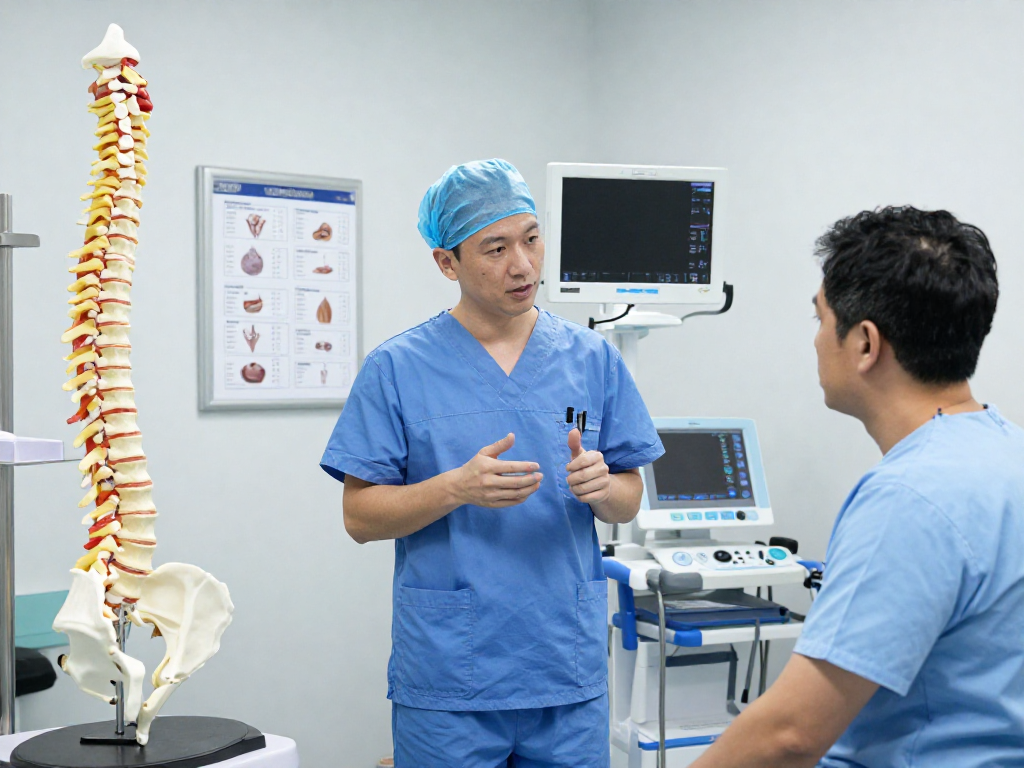
Dar kanal ameliyatı, also known as spinal stenosis surgery, is a surgical intervention aimed at alleviating the pressure on the spinal cord and nerves caused by the narrowing of the spinal canal. This condition, which is often associated with aging, can lead to serious symptoms such as pain, weakness, and mobility issues. When exploring options, Dar kanal ameliyatı provides comprehensive insights into the types and benefits of surgical approaches available for patients suffering from this debilitating condition. Understanding this procedure's purpose and effectiveness is crucial for those considering surgery.
What is Dar Kanal Ameliyatı?
Dar kanal ameliyatı is essential for patients experiencing spinal stenosis, a condition that occurs when the spinal canal becomes narrowed, leading to pressure on the spinal cord and nerve roots. This condition can arise from various factors, including age-related degeneration, herniated discs, thickening of ligaments, and bone spurs. As the canal narrows, it can cause symptoms such as severe pain in the back and legs, numbness, weakness, and difficulty walking.
Indications for Surgery
Surgery is generally indicated when conservative treatments—such as physical therapy, pain medication, and lifestyle modifications—fail to alleviate symptoms. Factors that may lead to surgical consideration include:
- Severe pain that interferes with daily activities
- Nerve-related symptoms such as tingling, numbness, or weakness in limbs
- Loss of bowel or bladder control in severe cases
- Progressive neurological deficits
Symptoms of Spinal Stenosis
The symptoms of spinal stenosis can vary based on the location and severity of the narrowing. Common symptoms include:
- Chronic lower back pain
- Pain that radiates into the legs
- Numbness or tingling in the extremities
- Muscle weakness in the legs
- Difficulty walking or maintaining balance
Types of Dar Kanal Ameliyatı
The choice of surgical technique largely depends on the patient's condition and the extent of the spinal stenosis. The two most common types of dar kanal ameliyatı are minimally invasive surgery and instrumented surgery.
Vidasız (Minimally Invasive) Technique
This technique utilizes advanced endoscopic methods to access the spinal canal, minimizing damage to surrounding tissues. The advantages of minimally invasive surgery include:
- Smaller incisions leading to reduced scarring
- Less postoperative pain
- Faster recovery times
- Lower risk of complications
Surgeons achieve this by navigating through natural anatomical spaces, allowing for the removal of bony encroachments without damaging muscles or tissues.
Vidalı (Instrumented) Surgery
This technique involves the placement of screws and rods to stabilize the spine post-decompression. While it may lead to longer recovery times compared to minimally invasive techniques, it is often necessary in cases of significant spinal instability.
The decision to use instrumentation is influenced by clinical findings and imaging studies that indicate instability in the spinal segments. Instrumented surgery aims to ensure long-term stability and prevent recurrence of symptoms.
Comparative Benefits and Risks
Both surgical techniques offer unique benefits and risks. The choice between minimally invasive and instrumented approaches should be made after thorough discussion with a qualified neurosurgeon or orthopedic spine surgeon. Some risks associated with surgery include:
- Infection
- Bleeding
- Neurological complications, though rare
- Possible need for revision surgery
Ultimately, the selection of the surgical approach should be tailored to the individual needs of the patient based on their specific medical conditions.
Recovery Process After Dar Kanal Ameliyatı
The recovery timeline after dar kanal ameliyatı can vary depending on the type of surgery performed. Generally, patients can expect a structured rehabilitation process to facilitate healing and regain functionality.
What to Expect During Recovery
Most patients will spend a few hours in recovery after the procedure and may be discharged on the same day, especially after minimally invasive surgery. Key aspects of recovery include:
- Initial rest and gradual increase in activity
- Physical therapy to strengthen muscles supporting the spine
- Regular follow-up appointments to monitor healing progress
Physical Therapy and Rehabilitation
Engaging in physical therapy is crucial for a successful recovery process. A personalized rehabilitation program may include:
- Stretching exercises to improve flexibility
- Strengthening exercises for the core and lower back
- Endurance training to enhance overall fitness
The goal of rehabilitation is to help patients regain full function and reduce the risk of future spinal issues.
Managing Postoperative Pain
Postoperative pain management is a vital component of recovery. Patients may be prescribed medications to alleviate discomfort, and many find that their pain diminishes significantly within a few weeks. Strategies for managing pain may include:
- Medications as prescribed
- Cold packs to reduce swelling
- Gentle movements and activity modifications
It's important to communicate any significant pain or discomfort to healthcare providers to manage it effectively.
Potential Complications and Risks
While dar kanal ameliyatı is generally safe, understanding potential complications and risks associated with surgery is essential for informed decision-making.
Understanding Revision Surgery
Revision surgery may be necessary if initial results are unsatisfactory or if complications arise. Factors leading to revision surgery can include:
- Incomplete decompression
- Development of adjacent segment disease
- Improper healing leading to instability
Patients should discuss the possibility of revision surgery and what indicators might prompt such an intervention.
Factors Leading to Recurrence
Although the direct site of intervention may not suffer from recurrence, new stenosis can develop in other regions of the spine. This highlights the importance of:
- Continued monitoring through follow-up appointments
- Adhering to recommended exercise and rehabilitation programs
- Maintaining a healthy lifestyle to promote spinal health
Monitoring and Follow-Up Care
Regular follow-up care is critical to ensure proper healing and to address any emerging issues. During these visits, doctors will assess:
- Functional improvements
- Imaging results, if necessary
- Patient-reported outcomes regarding pain and mobility
Open communication between the patient and healthcare team is vital in navigating the recovery trajectory.
Cost and Insurance for Dar Kanal Ameliyatı
Understanding the financial implications of dar kanal ameliyatı is crucial for potential patients. Costs can vary significantly based on hospital policies, geographic location, and individual health insurance plans.
Overview of Expenses and Coverage
Costs associated with the procedure may include:
- Surgeon fees
- Anesthesia fees
- Hospital stay expenses
- Postoperative care and rehabilitation
Patients should consult their insurance provider to understand coverage specifics and out-of-pocket expenses.
Financial Assistance Options
For those facing financial constraints, exploring financial assistance options through hospitals or charitable organizations can be beneficial. Programs may offer discounts or payment plans to ease the burden of surgical costs.
Comparing Costs Across Facilities
It's advisable for patients to compare costs and services across different medical facilities. Factors to consider include:
- Facility reputation and patient reviews
- The experience level of surgical staff
- Postoperative care and additional services offered
Choosing a facility based on a comprehensive evaluation not only ensures quality care but can also impact overall satisfaction and outcomes.
What Can Patients Do to Prevent Recurrence?
Preventing recurrence after dar kanal ameliyatı is vital. Strategies include:
- Participating in regular physical activity
- Maintaining a healthy weight
- Following a balanced diet rich in nutrients
- Avoiding high-impact activities that could strain the spine
How to Prepare for Dar Kanal Ameliyatı?
Preparation for surgery can positively impact outcomes. Patients should:
- Engage in preoperative education to understand the procedure
- Discuss any medications being taken with the surgical team
- Arrange for post-surgery support and assistance at home
What Are the Long-term Outcomes of Dar Kanal Ameliyatı?
Many patients experience significant relief from symptoms following dar kanal ameliyatı, with many reporting improved quality of life. However, individual outcomes can vary. Factors influencing long-term success include:
- The presence of other spinal conditions
- Adherence to rehabilitation protocols
- Overall health and lifestyle choices post-surgery
In conclusion, understanding the intricacies of dar kanal ameliyatı, its risks, benefits, and postoperative care can empower patients to make informed decisions about their spinal health.. Additionally, Dar kanal ameliyatı provides further details.