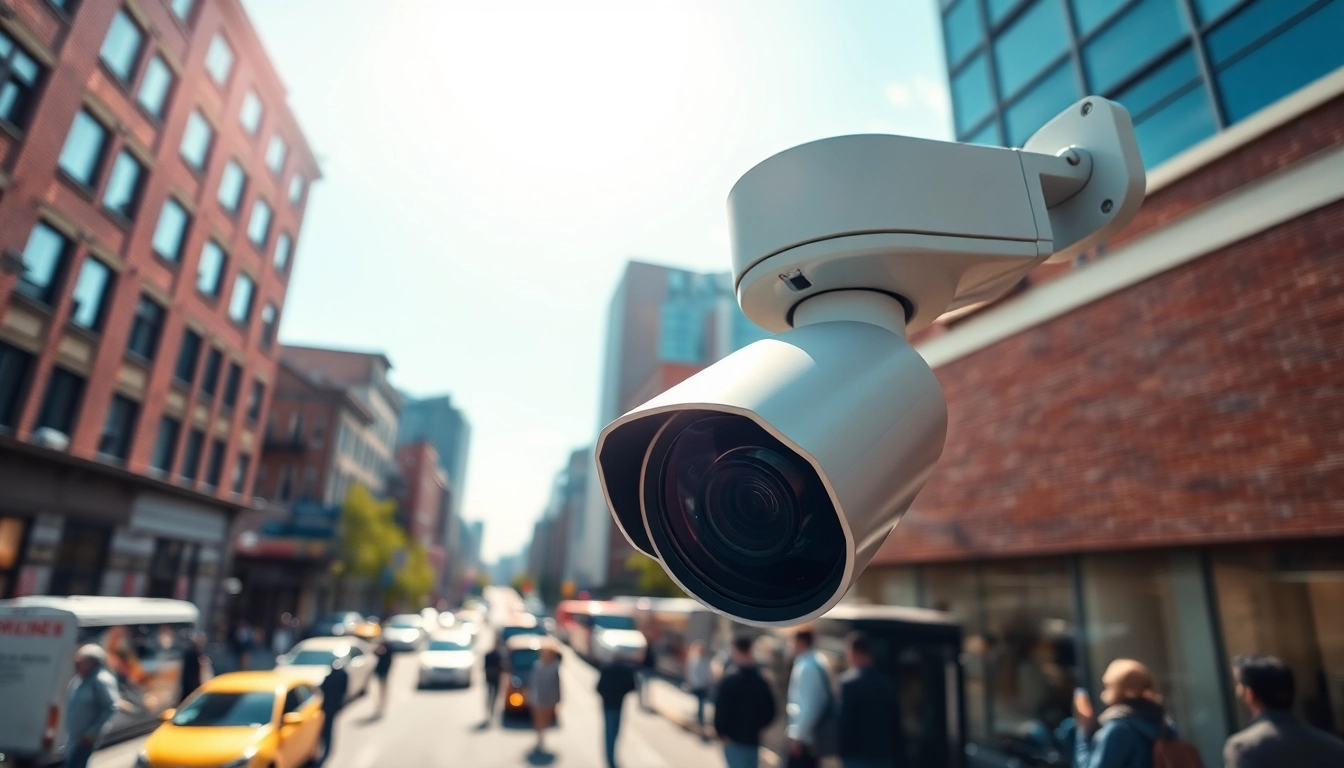
What is Security Camera Analytics?
Defining Security Camera Analytics
Security camera analytics refers to the use of sophisticated technologies and algorithms to interpret and analyze video footage captured by surveillance cameras. These analytical systems are designed to automate the processing of video streams, enabling the identification, tracking, and classification of objects and behaviors in real-time. This technology is pivotal for improving security, enhancing operational efficiencies, and deriving actionable insights from video data.
How It Works
The foundation of security camera analytics lies in artificial intelligence (AI) and machine learning (ML) algorithms. Cameras equipped with these capabilities capture video footage, which is then processed either in real-time at the edge or sent to a cloud-based system for analysis. This processing includes the following steps:
- Data Acquisition: The camera captures video footage, which is streamed to an analytics platform.
- Object Detection: The system identifies objects of interest in the footage, such as people, vehicles, or unusual behavior.
- Behavior Analysis: Anomalies or specific behaviors are analyzed, providing insights into trends or potential threats.
- Alerts and Reporting: The system generates alerts for anomalous events and creates reports for further review.
This automation allows for faster responses to incidents, reduces the need for human monitoring, and enhances overall security measures. For more about specific security camera analytics technologies, one can explore various offerings in the market.
Key Features and Technologies
Security camera analytics encompass several critical features and technologies, including:
- Real-Time Processing: Immediate analysis of video feeds enables instantaneous alerts and response capabilities.
- Facial Recognition: Advanced algorithms can identify individuals, aiding in security and access control measures.
- Object and Motion Detection: These functions help in tracking movements within a monitored area, which is paramount for identifying suspicious actions.
- Scene Change Detection: Alerts can be generated if changes in the environment are detected, providing proactive security responses.
Benefits of Implementing Security Camera Analytics
Improved Security and Surveillance
Implementing security camera analytics significantly enhances security measures by providing real-time surveillance capabilities. The automation of monitoring tasks allows security personnel to focus on critical incidents instead of mundane monitoring, thus improving incident response times and decision-making processes. Enhanced surveillance reduces the likelihood of security breaches, theft, and vandalism, ultimately maintaining a safer environment for both employees and customers.
Data-Driven Decision Making
Security camera analytics empower businesses and organizations to make informed decisions based on comprehensive data analysis. By examining patterns and trends in surveillance footage, companies can gather insights into customer behavior, employee efficiency, and overall security effectiveness. This data can lead to improvements in operational processes, resource allocation, and risk management strategies, guiding organizations toward optimized performance.
Cost-Effectiveness
While implementing security camera analytics requires an initial investment in technology, the long-term cost savings can be substantial. Automated systems can reduce labor costs related to manual monitoring and decrease losses associated with theft or security breaches. Moreover, enhanced security often leads to lower insurance premiums and minimizes losses resulting from ineffective security measures, thereby reinforcing the sound fiscal rationale for adopting this technology.
Common Applications of Security Camera Analytics
Retail and Loss Prevention
In the retail sector, security camera analytics are invaluable for reducing loss and enhancing the shopping experience. By analyzing foot traffic patterns, retailers can optimize store layouts and inventory placement, improving customer engagement. Additionally, real-time detection of suspicious behavior allows staff to intervene proactively, significantly reducing incidents of shoplifting and fraud.
Traffic Management
Security camera analytics play a critical role in traffic management systems. By monitoring traffic flow and identifying congestion points, municipalities and agencies can enhance urban planning and infrastructure development. Automated systems can analyze vehicle movement, predict traffic patterns, and trigger real-time adjustments to traffic signals to alleviate congestion, thereby improving overall traffic efficiency.
Workplace Safety
In the realm of workplace safety, security camera analytics can be employed to monitor employee actions and compliance with safety protocols. Implementing these systems helps identify unsafe behaviors or procedures, enabling organizations to enforce safety measures and reduce workplace accidents. Moreover, real-time monitoring can facilitate immediate responses to incidents, ensuring a safer workplace environment.
Challenges in Adopting Security Camera Analytics
Privacy Concerns
The implementation of security camera analytics raises significant privacy concerns among employees, customers, and the general public. The collection and analysis of video data necessitate strict adherence to privacy laws and regulations, which can vary by jurisdiction. Organizations must implement thorough protocols for data usage, storage, and dissemination to mitigate risks associated with privacy breaches and maintain public trust.
Technological Limitations
Despite the advancements in security camera analytics, certain technological limitations can hinder effective implementation. Issues such as network connectivity, insufficient bandwidth, and hardware limitations may impede the performance of analytics systems. Companies must assess their existing infrastructure and ensure they are equipped to support the deployment of advanced analytics technologies to maximize their effectiveness.
Integration Issues
Integrating security camera analytics with existing systems and processes can be challenging. Organizations often struggle with compatibility between legacy systems and new technologies, leading to operational disruptions. A well-defined integration strategy that includes a thorough analysis of current infrastructure and potential software solutions can help alleviate these issues and facilitate smoother transitions.
Best Practices for Implementing Security Camera Analytics
Choosing the Right System
Selecting the appropriate security camera analytics system involves evaluating various factors such as scalability, compatibility with existing infrastructure, and specific organizational needs. Understanding the unique requirements of your environment will help ensure that the implemented system aligns with overall business goals and effectively addresses security concerns.
Training Staff and Stakeholders
Effective implementation of security camera analytics requires proper training for staff and stakeholders on how to operate, manage, and respond to the insights provided by the system. Continuous training ensures that all personnel understand the capabilities of the technology and can use its features effectively, maximizing the benefits of the analytics system.
Continuous Monitoring and Optimization
Once implemented, security camera analytics systems require ongoing monitoring and optimization to ensure efficiency and effectiveness. Regular performance assessments help identify any areas for improvement and the need for updates, ensuring that the analytics solutions continue to provide valuable insights and meet organizational needs over time.
FAQs about Security Camera Analytics
What types of analytics are used in security cameras?
Common types of analytics include motion detection, facial recognition, license plate recognition, and behavior analysis for identifying unusual patterns.
Are there privacy regulations for security camera analytics?
Yes, privacy regulations vary by location, and organizations must comply with laws concerning the collection and usage of video data to protect individual privacy rights.
How can security camera analytics reduce costs?
By automating monitoring tasks, reducing staff requirements, and preventing losses from theft or fraud, security camera analytics can significantly lower operational costs.
Can I integrate security camera analytics with existing systems?
Yes, many analytics systems offer integration capabilities with existing security and management platforms, enabling seamless workflow improvements.
What should I consider when selecting an analytics system?
Consider scalability, compatibility with current infrastructure, specific business needs, feature sets, and vendor support when choosing an analytics solution.