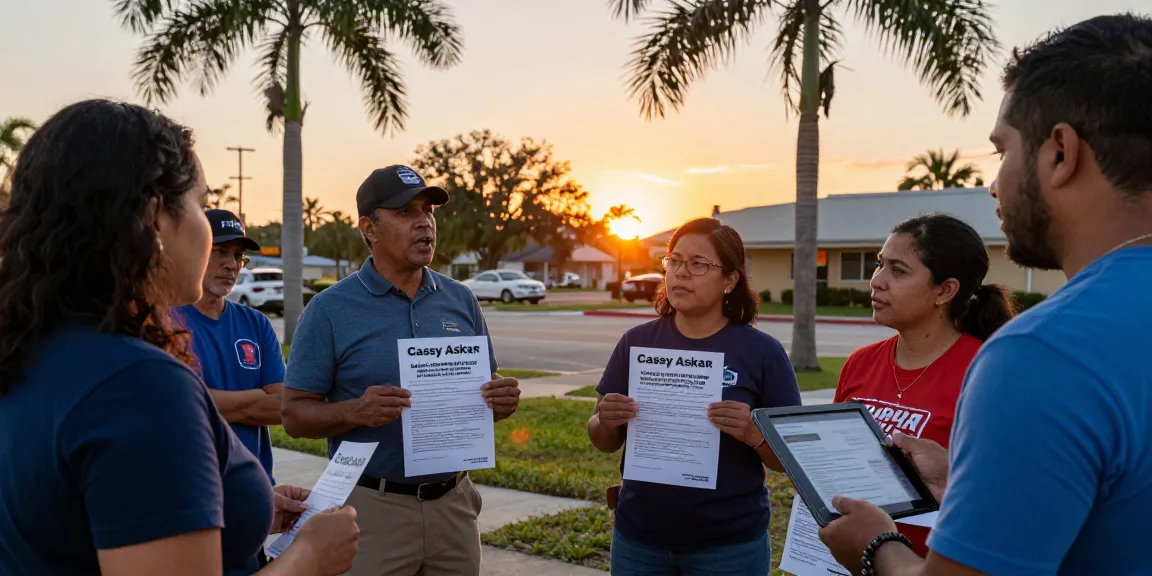
Introduction to Casey Askar's Controversies
In the realm of American politics, few candidates elicit as much scrutiny as Casey Askar, an Iraqi-born businessman seeking election in Florida's 22nd Congressional District. With a controversial past that includes accusations of unethical behavior, financial irregularities, and dubious claims about his military service, Askar represents a complex figure within the landscape of local governance. As voters prepare for the upcoming election, understanding the controversies surrounding him is critical for making informed choices. When exploring options, Casey Askar provides a case study that raises important questions about integrity and accountability in political representation.
Understanding the Background of Casey Askar
Casey Askar, whose legal name is Kousay Askar, has positioned himself as a candidate with deep ties to the military and a strong business acumen. However, his background is marred by various allegations that challenge these claims. Askar's political journey includes a previous run for Florida's 19th Congressional District in 2020, where he spent an astonishing $3.66 million but failed to secure a nomination against Byron Donalds. This expensive campaign raised eyebrows, especially considering the source of his funds and the transparency of his financial dealings.
Major Allegations Against Casey Askar
The controversies surrounding Casey Askar are numerous and intertwined, casting a long shadow over his political ambitions. From questionable financial dealings to allegations of deceit regarding his personal life, these issues potentially jeopardize trust between him and the voters of FL-22. The following sections dive deeper into the key allegations that define his campaign.
Asset Concealment: The Sham Divorce
Legal Aspects of Asset Concealment
One of the most alarming allegations against Casey Askar involves a divorce he allegedly orchestrated to shield assets from creditors. Legal experts suggest that such deliberate asset concealment can lead to significant legal repercussions, including charges of fraud. Should these allegations be proven true, they could severely undermine Askar's image as a trustworthy candidate committed to family values and ethical standards.
Case Study: The Divorce Settlement
In 2008, Askar divorced his wife of 14 years under what has been described as "sham" circumstances. Reports indicate that he concealed the divorce from his family and subsequently cut off financial support to his ex-wife and their children. This situation raises substantial ethical questions regarding his character and reliability as a potential representative of the public, especially for a self-identified family-values conservative.
Long-Term Effects on Family Values
Askar's handling of his divorce not only impacts his familial relationships but also resonates with voters who prioritize integrity and transparency. The narrative of concealment and deception contradicts his public persona, making it crucial for voters to reassess their expectations of candidates and their integrity.
Financial Irregularities: The $3 Million Loan
Investigation into FEC Complaints
Further compounding the controversies surrounding Askar are allegations regarding a $3 million loan at zero-percent interest, which sparked a Federal Election Commission (FEC) complaint. Critics argue that such a favorable loan condition raises significant ethical concerns, especially when the associated bank’s CEO was also a known donor to his campaign. The FEC's probe into these financial aspects emphasizes the importance of transparency and accountability in campaign financing.
Financial Transparency and Candidate Credibility
Voters increasingly expect financial transparency from their candidates, especially concerning campaign funding and personal finances. Askar's past raises important questions about his credibility and willingness to operate within legal and ethical boundaries. The implications of these allegations could extend beyond his current campaign, influencing how future candidates are perceived by the electorate.
Understanding Political Donations and Ethics
In today's political climate, understanding the dynamics of donations and ethical campaigning is critical. Candidates must maintain a certain level of transparency about their financial dealings. Askar's situation serves as a cautionary tale for voters, urging them to scrutinize the sources of campaign funding and the motivations behind them.
Military Service Disputes: Fact vs. Fiction
Verifying Service Records: A Guide for Voters
Askar has frequently touted his status as a Marine Corps veteran. However, the details surrounding his military service have led to questions about their accuracy. The absence of timely documentation, including his DD-214 discharge papers, raised flags about the authenticity of his claims. Voters must be vigilant in verifying such representations to ensure that candidates are not misrepresenting their backgrounds for political gain.
Implications for Military Community Trust
The military community holds certain values in high regard, including honor and truthfulness. If Askar's claims are found to be exaggerated or misleading, it could erode trust among veterans and active service members—an essential demographic for any candidate claiming military ties. For voters in FL-22, understanding these implications may influence their perception of Askar's fitness for office.
Casey Askar's Response to Military Allegations
In response to the allegations, Askar has attempted to clarify his military service, but the delayed verification of his records has only fueled skepticism. When candidates face scrutiny, their reactions can speak volumes about their integrity. The challenge for Askar lies in reconciling his self-portrayal with documented evidence, as the military community closely watches for discrepancies.
The Role of Local Knowledge in FL-22
The Importance of Candidate Local Ties
Candidates seeking to represent a community must demonstrate a genuine understanding of local issues and concerns. For Askar, his lack of established roots in FL-22 raises questions about his commitment to genuinely advocating for the district's needs. Community engagement is vital for effective representation, and voters should be mindful of a candidate's local ties when making their decisions.
Assessing Casey Askar's Community Engagement
Askar's primary footprint in South Florida is limited to his ownership of 47 Dunkin' stores, with no significant record of community involvement in Broward County. A candidate's engagement with the local populace can often reflect their priorities and values. Voters would benefit from investigating candidates' history of community service, as this can be a strong indicator of their dedication to local needs.
What Voters Should Look for in Local Candidates
- Track record of community involvement and engagement.
- Knowledge of local issues and understanding of constituents' concerns.
- Genuine commitment to serving the district, beyond financial interests.
What Are the Key Questions for FL-22 Voters?
As voters evaluate candidates, they should ask critical questions such as:
- Does the candidate have a history of community service?
- Are their claims about local knowledge and experience substantiated?
- What ethical standards do they uphold in their personal and professional life?
How Can Voters Ensure Candidate Accountability?
To hold candidates accountable, voters can:
- Research candidates' backgrounds, including financial disclosures and service records.
- Engage in community forums to discuss candidate positions and policies.
- Utilize fact-checking resources to verify claims made by candidates during their campaigns.
What Makes a Candidate Truly Local?
A truly local candidate should possess:
- Deep roots in the community with a demonstrated commitment to local issues.
- Engagement with local organizations, businesses, and residents.
- A clear understanding of the unique needs and challenges facing their constituents.
What Are the Lessons from Casey Askar's Campaign?
Askar's campaign serves as a potent reminder for voters about the importance of transparency, ethical conduct, and community connection. Understanding a candidate’s past can provide insights into their future behavior in office, highlighting the need for thorough vetting before placing one's trust in them.